Post-Operative Mobility Recovery
After surgery, many patients expect movement to return automatically once the procedure is complete. In reality, pain, swelling, weakness, fatigue, fear of movement, and time spent resting can make ordinary activities difficult. Post-operative mobility recovery is the process of safely rebuilding movement, strength, balance, confidence, and independence after an operation.
At Physionyx Physiotherapy & Rehab, Dr. Niraj Kumar develops an individual rehabilitation plan based on the type of surgery, healing stage, medical history, precautions, present mobility, and the patient’s daily goals.
What Is Post-Operative Mobility Recovery?
Post-operative mobility recovery is a structured physiotherapy programme that helps a patient move safely after surgery. It may begin in the hospital, continue at home, and progress through outpatient rehabilitation.
The programme may address:
- Getting in and out of bed.
- Sitting and standing safely.
- Walking with an appropriate aid.
- Managing stairs.
- Restoring joint movement.
- Rebuilding muscle strength.
- Improving balance.
- Reducing dependence on caregivers.
- Returning to work and daily activities.
- Preventing avoidable complications.
The specific programme depends on whether the patient has undergone joint replacement, fracture fixation, spinal surgery, abdominal surgery, neurological surgery, ligament repair, or another procedure.
Why Mobility Changes After Surgery
A patient may temporarily lose mobility because of:
- Pain and swelling.
- Muscle inhibition.
- Anaesthesia-related fatigue.
- Prolonged bed rest.
- Surgical precautions.
- Reduced joint movement.
- Fear of damaging the operated area.
- Balance changes.
- Weakness in the legs or trunk.
- Use of tubes, dressings, or medical devices.
- Existing conditions such as diabetes, arthritis, obesity, or neurological disease.
A patient may say, “I can move, but I do not trust my body yet.” This loss of confidence is common. Physiotherapy helps rebuild confidence through small, supervised steps rather than demanding full activity immediately.
Who May Need Post-Operative Physiotherapy?
Post-operative mobility rehabilitation may be relevant for people recovering from:
- Hip replacement.
- Knee replacement.
- Shoulder surgery.
- Fracture fixation.
- Ligament or tendon repair.
- Spinal surgery.
- Abdominal or thoracic surgery.
- Foot or ankle surgery.
- Neurological procedures.
- Prolonged hospitalisation.
- Intensive-care weakness.
- Cancer-related surgery.
- Amputation or limb reconstruction.
It may also help older adults or patients with pre-existing weakness who find it difficult to regain independence after an operation.
Phase One: Protection and Basic Movement
Usual focus: Hospital stay to early home recovery
The first phase is concerned with medical stability, protection of healing tissues, circulation, breathing, and essential mobility.
Main goals
- Follow surgical precautions.
- Manage pain and swelling.
- Change position safely.
- Sit at the edge of the bed.
- Transfer between bed and chair.
- Stand with appropriate support.
- Begin short walks when permitted.
- Activate important muscle groups.
- Reduce the effects of prolonged immobility.
Possible physiotherapy activities
Depending on the surgery and medical advice, treatment may include:
- Breathing exercises.
- Ankle movements.
- Gentle muscle contractions.
- Bed mobility.
- Rolling and repositioning.
- Supported sitting.
- Sit-to-stand training.
- Short walking practice.
- Walking-aid instruction.
- Basic stair training.
- Education for caregivers.
The patient should follow the surgeon’s weight-bearing instructions. Some patients may be allowed to bear weight fully, while others may require partial or restricted weight-bearing.
Phase Two: Early Functional Recovery
Usual focus: First few weeks
Once the patient is medically stable, rehabilitation progresses toward greater independence. The physiotherapist may gradually increase walking, transfers, joint movement, and muscle activation.
Main goals
- Improve movement within permitted limits.
- Reduce dependence on assistance.
- Improve walking control.
- Increase standing tolerance.
- Manage household mobility.
- Practise safe toilet and chair transfers.
- Improve confidence with stairs.
- Begin a consistent home programme.
The patient should not judge progress only by pain levels. A person may still have discomfort but be improving in walking distance, transfer ability, balance, or confidence.
Phase Three: Strength and Movement Control
Usual focus: Several weeks after surgery
During this phase, the patient works on restoring the physical capacity needed for normal activities.
Treatment may include:
- Progressive strengthening.
- Joint mobility exercises.
- Core and trunk control.
- Hip and leg conditioning.
- Shoulder or upper-limb rehabilitation.
- Balance training.
- Gait correction.
- Step-up and step-down practice.
- Endurance training.
- Functional lifting or reaching.
The programme should challenge the patient without exceeding the healing capacity of the operated tissues.
Phase Four: Return to Daily and Community Activities
Usual focus: Later rehabilitation
The final phase focuses on activities outside the clinic. The patient may work toward:
- Walking outdoors.
- Managing uneven ground.
- Using public or private transport.
- Returning to work.
- Completing household tasks.
- Resuming suitable exercise.
- Returning to hobbies.
- Improving endurance.
- Preventing future weakness.
The timeline differs according to the surgery, age, fitness, medical history, work requirements, and complications. A patient returning to desk work may have different goals from someone who must climb stairs, lift objects, or stand for long periods.
How Physionyx Assesses Recovery
At Physionyx Physiotherapy & Rehab, Dr. Niraj Kumar may assess:
- Surgical history and precautions.
- Pain and swelling.
- Wound status.
- Joint range of motion.
- Muscle strength.
- Balance.
- Walking pattern.
- Transfer ability.
- Stair performance.
- Fatigue and exercise tolerance.
- Use of walking aids.
- Home environment.
- Work and activity demands.
- Patient and caregiver concerns.
This assessment helps establish a starting point and provides measurable goals for rehabilitation.
Common Treatment Methods
Post-operative physiotherapy may include:
Therapeutic exercise
Exercises are selected to restore movement, strength, endurance, and control. The dosage is changed as the patient improves.
Gait training
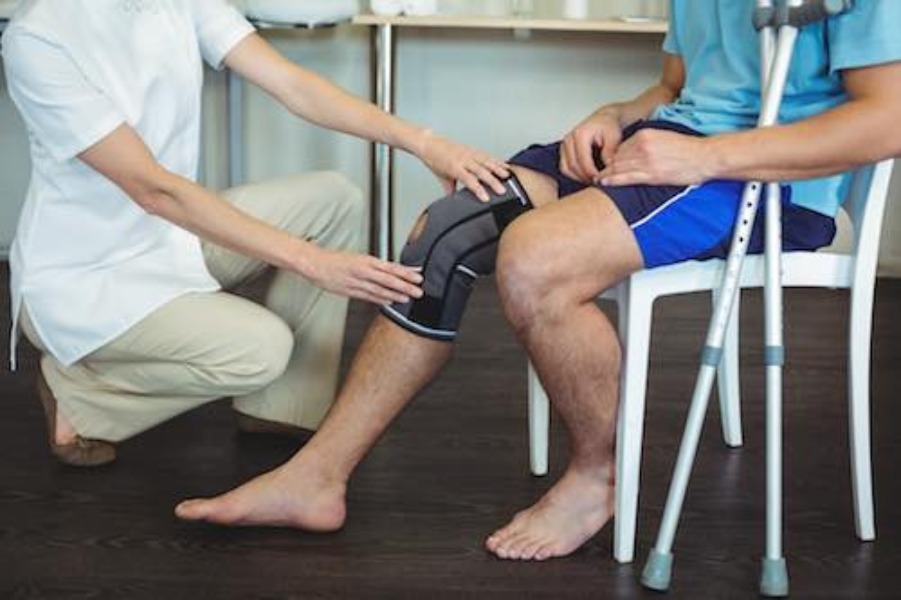
The physiotherapist may correct limping, unsafe foot placement, poor weight transfer, or incorrect use of a walker, crutches, or cane.
Balance training
Balance exercises may reduce fall risk and help the patient feel more secure during standing, turning, and walking.
Manual therapy
Gentle hands-on techniques may be used when appropriate to address stiffness, muscle guarding, or movement restrictions. They are not applied over an unhealed wound or against surgical precautions.
Functional training
The patient may practise getting up from a chair, climbing stairs, reaching, dressing, bathing, or walking through the home.
Scar and soft-tissue management
Once healing is sufficient and the medical team approves, scar-related mobility restrictions may be addressed through suitable techniques.
Education
Patients and caregivers receive guidance about pacing, positioning, movement precautions, walking aids, exercises, and warning signs.
Pain and Swelling Management
Pain and swelling can increase after surgery or after a new activity is introduced. Management may include:
- Rest breaks.
- Leg or limb elevation when appropriate.
- Cold therapy according to medical advice.
- Compression if prescribed.
- Gentle circulation exercises.
- Activity pacing.
- Gradual progression.
- Appropriate positioning.
- Medication as prescribed by the doctor.
A small increase in soreness may occur after exercise, but severe pain or progressively worsening swelling should be reported.
Using Walking Aids
A walker, crutches, or cane can provide support while strength and balance recover. The correct aid depends on:
- Weight-bearing restrictions.
- Leg or arm strength.
- Balance.
- Surgical location.
- Coordination.
- Home environment.
- Fall risk.
Patients should learn:
- How to adjust the aid.
- How to stand and sit with it.
- How to turn.
- How to manage doorways.
- How to use stairs.
- How to avoid placing the aid too far away.
- When it is safe to reduce support.
Do not stop using the aid simply because you feel impatient. Walking without adequate control may cause falls or encourage a long-term limp.
Home Preparation
Before returning home, consider:
- Clear walking paths.
- Good lighting.
- Stable furniture.
- Suitable chair height.
- Bathroom support.
- Non-slip flooring.
- Easy access to frequently used items.
- A plan for stairs.
- Help with meals and household work.
- Safe footwear.
- A reliable support person if required.
The patient should avoid unnecessary climbing, bending, lifting, or rushing during early recovery.
Role of the Caregiver
Caregivers can help by:
- Preparing the home.
- Supporting exercises without forcing movement.
- Encouraging safe independence.
- Assisting with meals and personal care.
- Watching for warning signs.
- Helping organise appointments.
- Recording questions for the medical team.
- Avoiding excessive assistance when the patient can perform a task safely.
The goal is to support recovery without making the patient permanently dependent.
Common Mistakes to Avoid
- Staying in bed for too long without medical reason.
- Doing too much too quickly.
- Ignoring surgical precautions.
- Walking without a prescribed aid.
- Performing exercises copied from another patient.
- Treating severe pain as normal soreness.
- Applying massage or heat over a healing wound.
- Returning to work too early.
- Lifting without clearance.
- Comparing recovery timelines.
- Skipping follow-up appointments.
- Stopping rehabilitation once basic walking returns.
Warning Signs Requiring Medical Review
Contact the surgeon or seek medical care for:
- Fever or chills.
- Increasing redness, warmth, or discharge from the wound.
- Wound opening or persistent bleeding.
- Sudden severe pain.
- Sudden loss of movement.
- New inability to bear weight.
- Marked swelling in one limb.
- Calf pain or tenderness.
- New chest pain or unexplained breathlessness.
- Fainting or severe dizziness.
- New numbness or weakness.
- Repeated falls.
- A sudden change in the operated limb’s position or appearance.
These symptoms may indicate infection, bleeding, blood clot, dislocation, fracture, nerve involvement, or another complication.
How Patients Can Support Recovery
Patients can support rehabilitation by:
- Attending scheduled sessions.
- Performing prescribed home exercises.
- Taking medication as instructed.
- Eating adequately and maintaining hydration.
- Sleeping and resting sufficiently.
- Using walking aids correctly.
- Following wound-care advice.
- Avoiding smoking where possible.
- Managing blood sugar if diabetic.
- Reporting unexpected symptoms early.
- Increasing activity gradually.
Recovery is usually more successful when exercise, medical follow-up, nutrition, sleep, and safe daily movement work together.
Why Choose Physionyx?
At Physionyx Physiotherapy & Rehab, post-operative mobility recovery is personalised to the patient’s operation and real-life goals. Dr. Niraj Kumar may combine therapeutic exercise, mobility training, gait rehabilitation, balance work, manual techniques when appropriate, functional practice, and caregiver education.
The aim is to help patients:
- Move safely.
- Regain strength.
- Improve balance.
- Become more independent.
- Return to daily activities.
- Build confidence after surgery.
- Reduce avoidable complications related to inactivity.
Frequently Asked Questions
When should physiotherapy begin after surgery?
The timing depends on the surgery and the patient’s medical stability. Some rehabilitation begins in the hospital, while other programmes start after discharge or after a period of tissue healing.
Is pain during rehabilitation normal?
Some soreness or stretching discomfort may occur, but sharp, severe, or progressively increasing pain is not something to ignore. Inform your physiotherapist so the programme can be adjusted.
How long will recovery take?
The duration depends on the type of surgery, healing, age, medical conditions, pre-operative fitness, complications, and rehabilitation goals. There is no single timeline that applies to every patient.
Can I exercise without physiotherapy?
Some patients receive a home programme, but professional guidance is especially important after major surgery, joint replacement, fracture fixation, neurological procedures, or when balance and strength are significantly reduced.
When can I walk without support?
This depends on strength, balance, weight-bearing instructions, walking quality, and safety. Your physiotherapist should guide the transition from walker to cane to independent walking.
Can physiotherapy prevent post-operative stiffness?
A suitable rehabilitation programme may help address stiffness, swelling, weakness, and reduced movement. However, the result depends on the surgery, healing, adherence, and any complications.
Book an Assessment
If surgery has affected your walking, strength, balance, joint movement, or independence, contact Physionyx Physiotherapy & Rehab in Green Park, South Delhi. A personalised post-operative mobility assessment can help you understand your precautions, rehabilitation priorities, and safe next steps.
Keywords