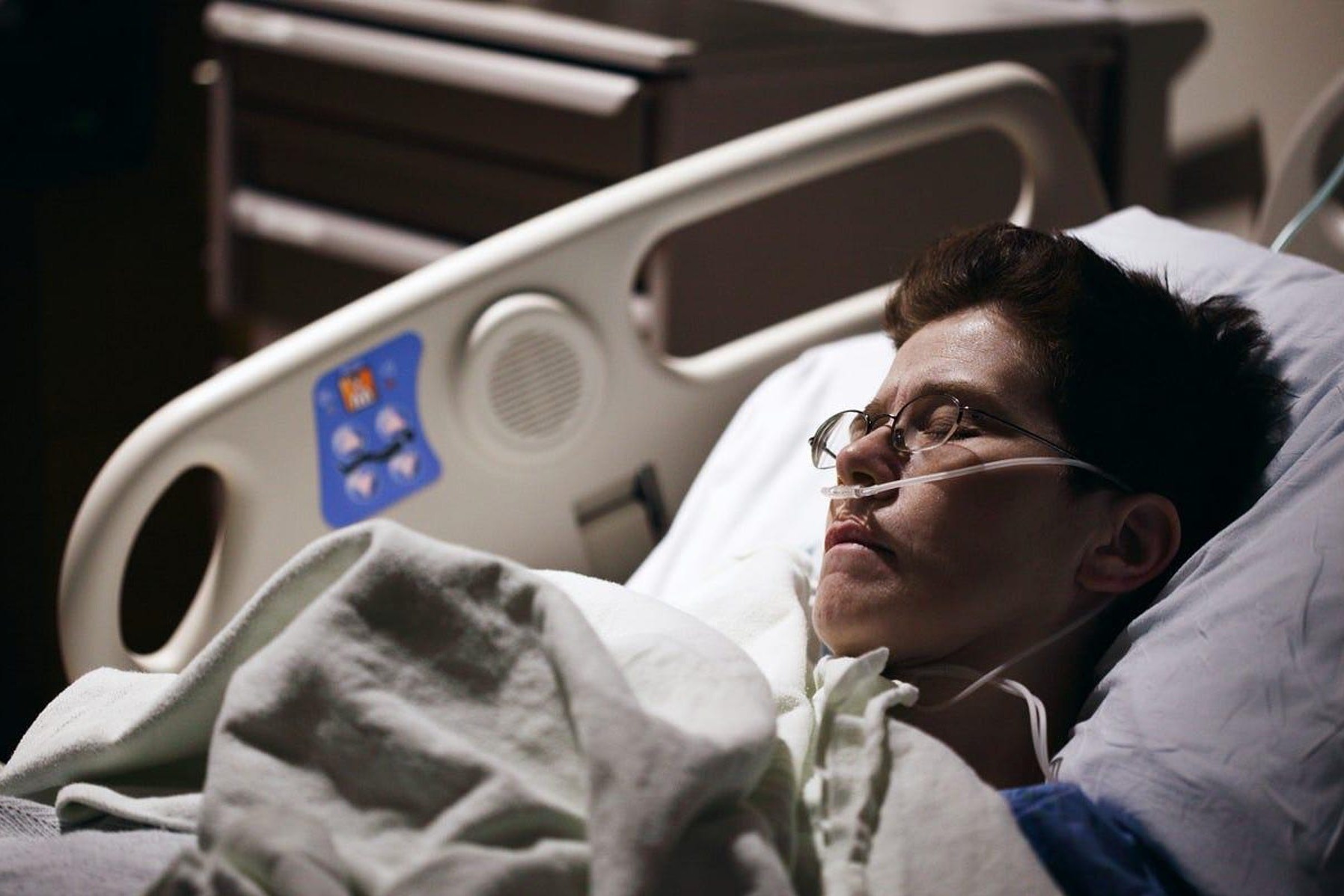
Locked-In Syndrome: Role of Physiotherapy
Introduction
Locked-in syndrome is a rare neurological condition in which a person is awake and cognitively aware but has profound paralysis and may be unable to speak or move most of the body. Vertical eye movement and blinking are often preserved, allowing communication in many cases.
Physiotherapy plays an important role in preventing complications, supporting breathing and positioning, maintaining joint movement, improving tolerance to upright posture, preserving available motor function, and helping the person work towards greater independence. It is one part of a specialised multidisciplinary rehabilitation programme involving medical, nursing, respiratory, occupational, speech and communication support.
What Is Locked-In Syndrome?
Locked-in syndrome usually results from damage to the ventral pons or nearby brainstem structures. A stroke affecting the basilar artery or pons is a common cause, although trauma, infection, tumour, bleeding, demyelinating disease, toxins, and other neurological conditions may also be responsible.
A person with locked-in syndrome may have:
- Severe weakness or paralysis of all four limbs.
- Inability to speak or produce normal facial movements.
- Difficulty swallowing.
- Impaired control of the lower cranial nerves.
- Preserved awareness and cognition.
- Preserved blinking or vertical eye movement in many cases.
- Impaired breathing or the need for respiratory support.
- Different levels of sensation and motor recovery.
Locked-in syndrome must be distinguished from coma, vegetative states, minimally conscious states, and severe communication disorders. Diagnosis may be challenging, so consistent communication attempts and repeated neurological assessment are important.
Types of Locked-In Syndrome
Locked-in syndrome is commonly described in three broad forms:
Classical form
The person has quadriplegia and anarthria, meaning an inability to speak, but consciousness and vertical eye movement or blinking are preserved.
Incomplete form
Some voluntary movement or other motor function remains in addition to preserved awareness and eye-based communication.
Total form
There is profound paralysis, including loss of voluntary eye movement, making communication extremely difficult. This form requires especially careful assessment to avoid mistaking preserved awareness for reduced consciousness.
The clinical picture can change over time, so rehabilitation teams should repeatedly reassess movement, communication, alertness, sensation, swallowing, breathing, and functional ability.
Why Physiotherapy Is Important
Severe immobility can lead to complications such as:
- Joint stiffness and contractures.
- Muscle shortening.
- Pressure injuries.
- Reduced lung expansion.
- Retained respiratory secretions.
- Chest infections.
- Swelling in the limbs.
- Bone loss.
- Pain.
- Spasticity.
- Reduced cardiovascular tolerance.
- Loss of independence.
Physiotherapy aims to prevent or reduce these complications while identifying any preserved movement that can be developed through repeated, meaningful practice. Early specialist rehabilitation is recommended because communication, positioning, respiratory care, and functional goals should be established as soon as the person is medically stable.
Early Physiotherapy Role
Positioning
Positioning is a central part of care. The physiotherapist may work with nurses and caregivers to establish a regular repositioning schedule and appropriate support for the head, trunk, pelvis, arms, and legs.
Positioning may help:
- Protect vulnerable skin.
- Reduce pressure.
- Improve comfort.
- Limit abnormal postures.
- Support breathing.
- Reduce limb swelling.
- Prevent joint stiffness.
- Improve readiness for communication and therapy.
- Support safe secretion management.
The position must be adapted to respiratory status, tubes, lines, pain, tone, skin condition, and medical precautions.
Passive movement
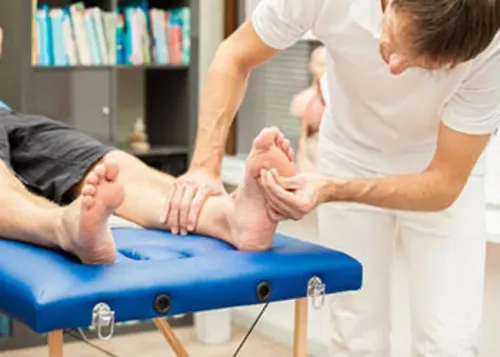
When voluntary movement is absent or limited, passive range-of-motion exercises may help maintain joint mobility and reduce the risk of contractures. The physiotherapist or trained caregiver gently moves the limbs through a safe range.
Passive movement should be:
- Slow and controlled.
- Pain-free or within an agreed comfortable range.
- Performed with correct joint support.
- Adjusted for spasticity, fractures, osteoporosis, and surgical precautions.
- Combined with appropriate positioning.
Forceful stretching can injure joints or soft tissues and should be avoided.
Respiratory physiotherapy
Breathing and airway management may be major concerns, particularly when swallowing, cough, chest movement, or respiratory-muscle control is affected.
Physiotherapy may support:
- Positioning for lung expansion.
- Breathing exercises when the person can participate.
- Assisted coughing.
- Chest mobility.
- Secretion-management strategies.
- Early mobilisation when medically safe.
- Collaboration with respiratory therapists and medical staff.
Suctioning, airway clearance, oxygen, ventilator changes, or tracheostomy management should be performed only by appropriately trained professionals according to the medical plan. Respiratory physiotherapy is not a substitute for urgent medical care.
Prevention of pressure injuries
A person who cannot move independently may remain in one position for too long. Physiotherapy contributes to pressure management by advising on:
- Repositioning.
- Seating posture.
- Mattress and cushion selection.
- Wheelchair setup.
- Pressure-relief techniques.
- Safe transfers.
- Skin inspection routines.
Caregivers should report redness that does not fade, blistering, open areas, swelling, or changes in skin temperature.
Communication and Physiotherapy
Communication should be established before physical treatment whenever possible. A person who is unable to speak or move may still be fully aware and able to understand what is happening.
The rehabilitation team may develop:
- A reliable yes-or-no signal.
- Eye-blink communication.
- Vertical eye-movement codes.
- Letter or picture boards.
- Eye-gaze systems.
- Switch-operated devices.
- Computer-based communication.
- Environmental call systems.
The physiotherapist should explain each treatment step, wait for a response, and confirm consent as far as possible. Communication is not only the responsibility of the speech and language therapist; every team member should use the agreed system.
Specialised rehabilitation literature emphasises early communication access because it supports autonomy, safety, participation, and connection with family and caregivers.
Improving Motor Function
Active-assisted movement
If a person regains a small amount of voluntary movement, the physiotherapist may assist the movement while encouraging the patient to contribute as much as possible.
Examples may include:
- Assisted reaching.
- Supported elbow movement.
- Guided hand opening.
- Foot or ankle movement.
- Head and trunk control.
- Assisted rolling.
- Supported leg movement.
The goal is not to force a movement but to provide enough assistance for successful practice.
Repetitive sensorimotor training
Repeated practice of a specific movement may help the nervous system use preserved pathways and improve task performance. Training may target:
- Finger or hand movement.
- Eye-controlled communication.
- Head control.
- Reaching.
- Pushing a switch.
- Operating a powered wheelchair.
- Foot or ankle activation.
- Supported transfers.
Practice should be meaningful, repetitive, and adjusted to fatigue and attention. Evidence for specific interventions remains limited because locked-in syndrome is rare, but targeted rehabilitation may support motor recovery and function in selected patients.
Neuromuscular electrical stimulation
Neuromuscular electrical stimulation may be considered for selected muscles when appropriate. It may help maintain muscle activity or support functional training, but suitability depends on sensation, skin condition, muscle response, implanted devices, seizures, fractures, medical stability, and the clinician’s assessment.
It should not be used independently without professional guidance.
Upright Tolerance and Verticalisation
Prolonged bed rest can reduce cardiovascular tolerance and make sitting or standing difficult. Once medically safe, the rehabilitation team may gradually introduce:
- Head-of-bed elevation.
- Supported sitting.
- Sitting at the edge of the bed.
- Tilt-table training.
- Standing-frame use.
- Supported weight-bearing.
- Transfer practice.
The team monitors blood pressure, heart rate, oxygen levels, symptoms, tone, fatigue, and response to position changes. Upright training may support circulation, alertness, bone loading, postural control, and readiness for functional activity, but it must be carefully supervised.
Trunk, Head, and Neck Control
Head and trunk stability are important for communication, breathing, eating, wheelchair positioning, and transfers. Treatment may include:
- Supported head positioning.
- Midline awareness.
- Trunk activation.
- Sitting balance.
- Reaching within a safe base of support.
- Controlled weight shifting.
- Assistance during transitions.
- Seating adjustments.
Improved head and trunk control may allow the person to use communication systems more effectively and participate in occupational therapy.
Wheelchair and Mobility Training
A suitable wheelchair may provide mobility, pressure management, posture support, and a way to reconnect with the environment. The choice depends on head control, trunk stability, eye movement, upper-limb function, communication method, pressure risk, and caregiver support.
Rehabilitation may include:
- Wheelchair positioning.
- Cushion assessment.
- Pressure relief.
- Powered wheelchair control.
- Eye-gaze or switch access.
- Safe transfers.
- Indoor mobility.
- Community access.
- Caregiver handling.
Mobility should not be measured only by independent walking. Operating a powered wheelchair, using a communication device, or directing a caregiver can represent meaningful functional independence.
Managing Spasticity and Abnormal Tone
Spasticity may cause stiffness, spasms, abnormal postures, pain, and difficulty with hygiene or transfers. Management may include:
- Positioning.
- Slow movement.
- Range-of-motion exercises.
- Weight-bearing when appropriate.
- Splinting or orthoses.
- Seating modifications.
- Trigger management.
- Medical treatment prescribed by the physician.
- Functional task practice.
A sudden increase in tone may indicate pain, infection, constipation, bladder problems, pressure injury, or another medical issue. New or worsening spasticity should be reported rather than treated only by stretching.
Pain and Comfort
A person with locked-in syndrome may be unable to describe pain verbally. The team should watch for changes in:
- Facial expression.
- Eye movements.
- Breathing.
- Heart rate.
- Muscle tone.
- Sleep.
- Withdrawal.
- Agitation.
- Resistance during movement.
An agreed communication system should be used to identify pain and discomfort. Treatment should be adjusted for positioning, joint protection, skin condition, muscle tone, and medical causes.
Swallowing, Feeding, and Aspiration Risk
Swallowing difficulties are common because the lower cranial nerves may be affected. Physiotherapists work with speech and language therapists, nurses, dietitians, and doctors to support safe positioning and respiratory monitoring.
Important principles may include:
- Maintaining an appropriate upright position during feeding.
- Following the prescribed oral or tube-feeding plan.
- Monitoring coughing, wet voice, breathlessness, fever, or chest congestion.
- Using aspiration precautions provided by the medical team.
- Coordinating oral care and secretion management.
Physiotherapists should not independently recommend oral feeding or change the feeding route. Swallowing decisions require specialist assessment.
Role of the Multidisciplinary Team
Locked-in syndrome requires coordinated care. The team may include:
- Neurologist.
- Rehabilitation physician.
- Physiotherapist.
- Occupational therapist.
- Speech and language therapist.
- Respiratory therapist.
- Nurse.
- Dietitian.
- Psychologist or counsellor.
- Social worker.
- Orthotist.
- Assistive-technology specialist.
- Family and caregivers.
The team should share the same communication system, positioning plan, emergency procedures, therapy goals, equipment recommendations, and discharge plan. Multidisciplinary rehabilitation is considered the foundation of care for locked-in syndrome.
Rehabilitation Goals
Goals should be personalised and may change over time.
Early goals
- Establish reliable communication.
- Maintain airway and respiratory health.
- Protect skin.
- Preserve joint mobility.
- Reduce pain and abnormal tone.
- Tolerate changes in position.
- Support adequate nutrition and swallowing safety.
- Educate family and caregivers.
Intermediate goals
- Improve head and trunk control.
- Increase sitting tolerance.
- Develop voluntary movement.
- Practise supported transfers.
- Use a wheelchair or communication system.
- Increase endurance.
- Improve participation in self-care.
Long-term goals
- Maximise independence.
- Operate mobility and communication technology.
- Return home when safe.
- Participate in family and social activities.
- Access education, work, or meaningful occupations when possible.
- Maintain health and prevent secondary complications.
- Support autonomy and quality of life.
The most important goal is not always walking. Communication, control over daily choices, safe mobility, and the ability to call for help are also central outcomes.
Home-Based Physiotherapy Considerations
If the person returns home, the environment and care plan may need modification. This may include:
- An adjustable bed.
- Pressure-relieving mattress.
- Suitable wheelchair and cushion.
- Hoist or transfer equipment.
- Accessible bathroom.
- Clear pathways.
- Communication technology.
- Emergency call system.
- Caregiver training.
- Written positioning and exercise schedule.
- Respiratory and aspiration precautions.
- Regular medical and rehabilitation follow-up.
Caregivers should not lift or transfer the person using unsafe techniques. Equipment and handling methods should be taught by the rehabilitation team.
Prognosis and Recovery
Recovery varies widely. Some people regain limited movement or communication over time, while others remain severely dependent on caregivers. Prognosis depends on the cause, extent of brainstem damage, medical complications, early neurological changes, preserved movement, and access to specialist rehabilitation.
It is not appropriate to predict a person’s recovery from the diagnosis alone. Rehabilitation remains valuable even when motor recovery is limited because it can improve comfort, prevent complications, support communication, and promote participation.
How Physionyx Can Help
At Physionyx Physiotherapy & Rehab in Green Park, South Delhi, neurological rehabilitation may be planned around the person’s medical precautions, communication method, respiratory needs, movement capacity, tone, skin condition, equipment, and family goals.
Assessment may include:
- Level of alertness and communication access.
- Head and trunk control.
- Joint movement.
- Muscle tone and spasticity.
- Voluntary motor activity.
- Respiratory and positioning needs.
- Sitting and upright tolerance.
- Transfer potential.
- Wheelchair and seating requirements.
- Pressure-management needs.
- Caregiver handling skills.
- Home environment and discharge goals.
Treatment may include positioning, passive and active-assisted movement, respiratory support strategies within scope, upright tolerance training, trunk and head-control work, transfer practice, wheelchair positioning, caregiver education, and coordination with the wider medical team.
Dr. Niraj Kumar’s listed qualifications include an MPT in Neurology, and Physionyx describes its rehabilitation approach as personalised and assessment-led.[physionyx]
For a patient with locked-in syndrome, physiotherapy should be coordinated with the treating neurologist, rehabilitation physician, respiratory team, speech and language therapist, and other specialists. Clinic-based therapy may not be appropriate until the patient is medically stable and safe for transfer.
Warning Signs Requiring Medical Review
Seek urgent medical advice if the person develops:
- New or worsening breathing difficulty.
- Increasing chest congestion or suspected aspiration.
- Fever.
- Sudden change in alertness or communication.
- New neurological weakness or loss of eye movement.
- Severe headache.
- New seizures.
- Rapidly increasing spasticity.
- Unexplained sweating or blood-pressure changes.
- New skin breakdown.
- Limb swelling, colour change, or suspected blood clot.
- Persistent vomiting or feeding intolerance.
These symptoms require medical assessment and should not be managed by increasing physiotherapy.
Frequently Asked Questions
Can physiotherapy cure locked-in syndrome?
Physiotherapy cannot cure the underlying brainstem injury. It may help prevent complications, maintain movement, support motor recovery, improve upright tolerance, and promote functional independence.
Is the person conscious in locked-in syndrome?
Classically, the person is awake and cognitively aware but unable to move or speak normally. Because communication can be severely limited, repeated assessment and a reliable communication system are essential.
Can someone with locked-in syndrome communicate?
Many people can communicate through blinking or vertical eye movements, especially when a clear code is established. Eye-tracking devices, communication boards, switches, and computer-based systems may provide additional support.[ncbi.nlm.nih][pubmed.ncbi.nlm.nih]
When should physiotherapy begin?
Rehabilitation should be considered early once the person is medically stable. Early treatment may focus on positioning, breathing, joint movement, skin protection, communication access, and prevention of complications.
Can physiotherapy help the person walk?
Some patients may regain limited standing or walking ability, particularly when the injury is incomplete and motor recovery occurs. Others may achieve greater independence through powered mobility, transfers, communication technology, or caregiver-directed movement.
What exercises are used?
Exercises may include passive movement, active-assisted movement, trunk and head-control practice, supported sitting, upright tolerance training, repetitive sensorimotor practice, breathing exercises, and functional task training. The programme must be individually prescribed.
Is intensive physiotherapy appropriate?
Therapy should be frequent and goal-directed when medically tolerated, but “intensive” does not mean forcing movement or exhausting the patient. Sessions must consider respiratory status, blood pressure, fatigue, pain, communication, skin condition, and recovery capacity.
Can families help with therapy?
Yes. Family members can support communication, positioning, pressure relief, safe movement, and meaningful activities after appropriate training. They should follow the rehabilitation team’s instructions and avoid unsupervised techniques that could cause injury.
Locked-In Syndrome Rehabilitation in Delhi
The role of physiotherapy in locked-in syndrome extends beyond exercises. It includes positioning, respiratory support within the rehabilitation plan, contracture prevention, skin protection, spasticity management, upright tolerance, motor retraining, wheelchair and seating support, caregiver education, and participation in meaningful goals.
If you are seeking neurological rehabilitation for locked-in syndrome in Delhi, South Delhi, or Green Park, Physionyx Physiotherapy & Rehab can assess the patient’s needs and help coordinate a carefully supervised programme with the treating medical team.
Physionyx Physiotherapy & Rehab
Green Park, New Delhi
Phone: +91 99116 63262
This article is for general education and does not replace evaluation or treatment by a neurologist, rehabilitation physician, respiratory specialist, speech and language therapist, or qualified physiotherapist. Locked-in syndrome requires specialist medical care and should not be managed through unsupervised home exercises.
Keywords