Thank you for writing to us. One of our executive will reach back to you through your submitted medium. In case there’s an urgency, feel free to connect over WhatsApp for faster response.
Prefer calling? Dial +918048037133 (International callers) or 08048037133 (Indian callers).
Sciatica Physiotherapy in Green Park, South Delhi | Dr. Niraj Kumar
6a625dbb0159b6288c5da1fd"
Sciatica Holding You Back? Expert Physiotherapy Can Help
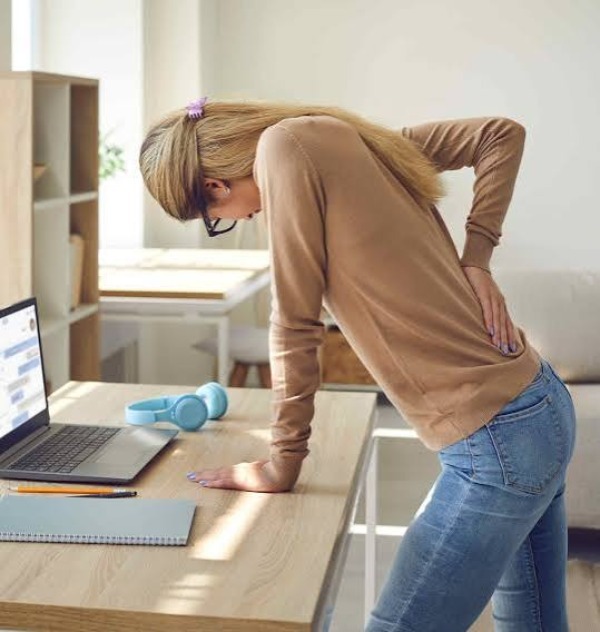
Sciatica can make even simple movements feel difficult. Sitting, standing, walking, bending, and getting out of bed may all become painful when the sciatic nerve is irritated. For many people, the pain starts in the lower back or buttock and travels down the leg, making daily life uncomfortable and stressful.
If you are searching for sciatica treatment in South Delhi or want a trusted physiotherapist near me, expert physiotherapy can help reduce pain, improve movement, and support long-term recovery. At Physionyx, the goal is to treat not only the symptoms, but also the posture, movement habits, and muscle imbalances that often contribute to the problem.
What is sciatica?
Sciatica is not a disease by itself. It is a symptom caused by irritation or compression of the sciatic nerve, which runs from the lower back through the buttock and down the leg. This irritation may happen because of a slipped disc, lumbar spondylosis, muscle tightness, spinal narrowing, or poor movement mechanics.
Many people first notice pain in the lower back, buttock, or thigh, followed by pain that travels below the knee. In some cases, sciatica may also cause numbness, tingling, weakness, or burning pain in the leg or foot.
Common symptoms
People with sciatica may experience one or more of the following problems:
Lower back pain that spreads to the leg.
Pain in the buttock, thigh, calf, or foot.
Burning, sharp, or shooting pain.
Numbness or tingling in the leg or foot.
Weakness in the leg.
Pain that worsens while sitting for long periods.
Difficulty bending, walking, or climbing stairs.
Discomfort when coughing, sneezing, or changing position.
Trouble sleeping because of pain.
The pain may affect one side of the body or sometimes both, depending on the cause. Because sciatica can mimic other back problems, a proper physiotherapy assessment is important before starting treatment.
Why physiotherapy helps
Physiotherapy is one of the most effective conservative treatments for sciatica. The goal is to reduce irritation on the sciatic nerve, improve spinal mobility, strengthen supporting muscles, and correct movement patterns that may be increasing pressure on the lower back.
A physiotherapist may assess your posture, walking pattern, spine movement, muscle tightness, and daily habits before creating a treatment plan. In many cases, a combination of guided exercise, pain-relief techniques, posture correction, and activity modification can help improve symptoms.
How expert physiotherapy can help
A structured physiotherapy program may include:
Gentle pain-relieving techniques.
Manual therapy to improve lower back and pelvic mobility.
Stretching for tight muscles in the back, hips, and legs.
Strengthening exercises for the core, glutes, and back muscles.
Nerve gliding exercises when suitable.
Posture correction for sitting, standing, and lifting.
Advice on how to move safely during pain.
Home exercises to support recovery between sessions.
The right plan depends on what is causing the nerve irritation. In some patients, the problem is mainly a disc issue. In others, it is muscle tension, posture, or spinal wear and tear. That is why treatment should always be individualized.
Everyday habits that make it worse
Sciatica often becomes more painful because of daily habits that keep irritating the nerve. Common triggers include:
Long hours of sitting without breaks.
Poor posture while working or driving.
Lifting heavy objects incorrectly.
Sudden twisting or bending.
Weak core and glute muscles.
Sleeping in positions that stress the lower back.
Inactivity or too much rest.
Repeating movements that increase pain.
This is why physiotherapy is not only about treatment sessions. It is also about helping the patient move in ways that reduce pressure on the nerve and support healing.
Who should seek treatment
You should consider physiotherapy if leg pain is starting from the back or buttock, if numbness or tingling is present, or if pain is affecting walking, sitting, sleeping, or work. It is especially important if the pain keeps returning or is getting worse over time.
Many people search for sciatica physiotherapy in South Delhi, leg pain from back treatment, or best physiotherapist in Delhi because they want practical help close to home. A nearby clinic also makes follow-up easier and helps patients stay consistent with rehabilitation.
Why early treatment matters
Waiting too long can allow pain, stiffness, and movement fear to increase. Early physiotherapy can help reduce discomfort before the condition becomes more limiting. It can also help patients understand what movements are safe and how to avoid positions that keep irritating the nerve.
For many people, the biggest goal is simple: to sit, walk, bend, and sleep more comfortably again. That is where a good rehabilitation plan can make a real difference.
Why choose Physionyx Physiotherapy
At Physionyx, sciatica care is based on experience, careful assessment, and individualized treatment. Every patient’s pain pattern is different, so treatment should always be designed around the actual cause, posture, and lifestyle factors.
If you are looking for sciatica treatment in South Delhi, expert physiotherapy can help you reduce pain, improve movement, and return to your routine with more confidence. With the right approach, many patients feel a meaningful improvement in day-to-day comfort.
FAQ
Can physiotherapy help sciatica?
Yes. Physiotherapy can help reduce pain, improve mobility, and support the lower back and leg muscles that affect nerve irritation.
Is sciatica permanent?
Not always. Many cases improve with proper treatment, exercise, posture correction, and lifestyle changes.
Do I need exercises at home?
Yes. Home exercises are usually an important part of recovery and long-term improvement.
Should I avoid all movement?
No. In most cases, guided movement is better than complete rest, but exercises should be prescribed correctly.
Final Note
Sciatica can disrupt your routine, but it does not have to control your life. With expert physiotherapy, the right exercises, and practical posture advice, many patients can reduce pain, move better, and return to daily activities with more comfort.