Knee Pain Physiotherapy in New Delhi
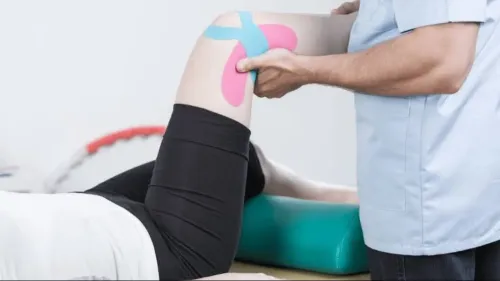
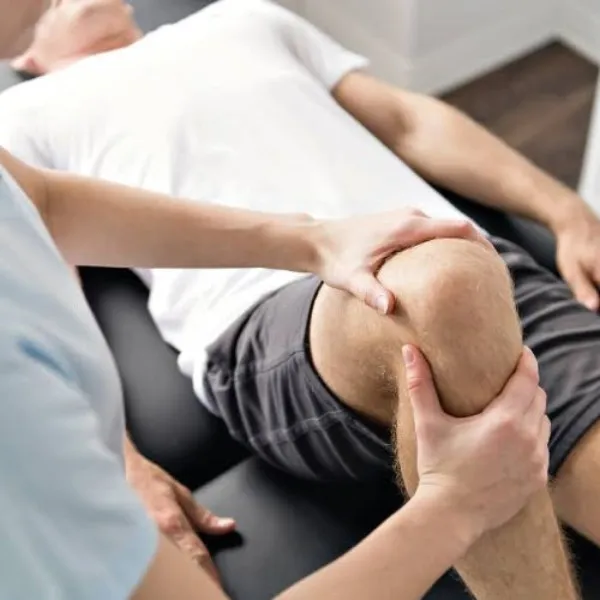
Knee pain physiotherapy can help reduce pain, improve movement, build strength, and restore confidence during walking, exercise, work, and daily activities. Physiotherapy begins with an assessment to identify the main factors contributing to the problem, followed by a progressive plan based on your condition and goals.
At Physionyx Physiotherapy & Rehab, Dr. Niraj Kumar provides personalised knee rehabilitation for injuries, arthritis-related pain, stiffness, weakness, and sports problems.
Common Causes of Knee Pain
Knee pain may be related to:
- Knee osteoarthritis.
- Ligament sprains or tears.
- Meniscus injuries.
- Patellofemoral pain.
- Runner’s knee.
- Tendon problems.
- Bursitis.
- Muscle weakness or imbalance.
- Sports injuries.
- Post-surgical stiffness.
- Previous fractures or immobilisation.
- Repeated strain from work, exercise, or weight-bearing activities.
The location, onset, swelling, movement restriction, and activities that worsen symptoms can provide important clues, but an accurate diagnosis requires an individual assessment.
Symptoms That May Need Physiotherapy
Consider a physiotherapy assessment if you have:
- Pain while walking or climbing stairs.
- Knee stiffness after sitting or waking.
- Difficulty squatting or kneeling.
- Pain during running, jumping, or gym exercises.
- Swelling after activity.
- A feeling of weakness or instability.
- Difficulty fully bending or straightening the knee.
- Repeated knee pain after sports.
- Reduced confidence while putting weight through the leg.
How Physiotherapy Helps
A knee rehabilitation programme may include:
- Pain and swelling management.
- Gentle mobility exercises.
- Quadriceps strengthening.
- Hamstring, calf, and hip strengthening.
- Balance and coordination training.
- Patellar or joint mobility techniques where appropriate.
- Gait and movement retraining.
- Manual therapy.
- Electrotherapy when clinically suitable.
- Low-level laser therapy when appropriate.
- Gradual return-to-sport planning.
As pain settles and movement improves, exercise is generally progressed to restore strength, balance, and functional ability.
Knee Pain Exercises
Depending on your condition, your physiotherapist may prescribe exercises such as:
- Knee bends and straightening movements.
- Quadriceps contractions.
- Straight-leg raises.
- Sit-to-stand exercises.
- Bridges.
- Step-ups.
- Calf raises.
- Hip-strengthening exercises.
- Balance training.
These exercises are not suitable for every knee problem. They should be performed within a safe range and should not cause significant or progressively worsening pain. Knee rehabilitation resources commonly recommend beginning gently and progressing repetitions or resistance as movement becomes easier.
Knee Pain After an Injury
After a sprain, ligament injury, fall, or sports incident, early rehabilitation may focus on protecting the knee, controlling swelling, restoring comfortable movement, and maintaining safe muscle activation.
Later stages may include:
- Progressive weight-bearing.
- Strengthening the thigh, hip, and calf.
- Balance and joint-position training.
- Running and jumping preparation.
- Change-of-direction drills.
- Sport-specific rehabilitation.
A return to sport should be based on strength, control, range of motion, and functional testing rather than time alone.
Knee Arthritis Physiotherapy
For knee osteoarthritis, physiotherapy may help reduce the impact of pain and stiffness by improving muscle support, movement confidence, joint mobility, and activity tolerance. Strengthening the muscles around the knee and improving flexibility are common components of treatment.
Treatment may also include:
- Education about activity pacing.
- Weight-bearing exercise at an appropriate level.
- Walking or cycling guidance.
- Strengthening for the quadriceps and hips.
- Balance work.
- Advice for stairs, squatting, and daily tasks.
You do not always need to stop activity completely. A physiotherapist can help you modify activities and gradually build tolerance.
Knee Rehabilitation After Surgery
Physiotherapy may be important after procedures such as:
- ACL reconstruction.
- Meniscus surgery.
- Knee replacement.
- Fracture fixation.
- Arthroscopy.
- Patellar stabilisation surgery.
The plan will depend on the surgical procedure and your surgeon’s precautions. Early goals may include reducing swelling and restoring movement, while later goals focus on strength, walking, balance, and return to normal activity.
When to Seek Urgent Medical Care
Seek prompt medical attention if you have:
- Severe pain after major trauma.
- Obvious deformity.
- Inability to bear weight.
- Rapid or extreme swelling.
- A locked knee.
- Fever with a hot, swollen knee.
- Numbness or a cold, pale foot.
- Calf swelling, chest pain, or sudden breathlessness.
These symptoms may require medical or orthopaedic evaluation rather than routine physiotherapy alone.
Why Choose Physionyx?
At Physionyx Physiotherapy & Rehab, Dr. Niraj Kumar develops knee treatment around your symptoms, movement limitations, strength, activity demands, and recovery goals.
If you are looking for knee pain physiotherapy in New Delhi, knee physiotherapy near me, or knee rehabilitation in South Delhi, an assessment can help determine the appropriate treatment plan.
Frequently Asked Questions
Can physiotherapy cure knee pain?
Physiotherapy can often improve pain, mobility, strength, and function, but the outcome depends on the underlying cause and severity. Some conditions may also require orthopaedic or medical treatment.
Should I use ice for knee pain?
Ice may help with pain and swelling for some recent injuries. Use a cloth barrier, limit each application to around 15–20 minutes, and avoid it if you have reduced sensation or a condition that makes cold therapy unsuitable.
How long will knee physiotherapy take?
Recovery varies according to the diagnosis, duration of symptoms, injury severity, general health, and consistency with rehabilitation. Your programme should be reviewed as your strength and function improve.
Can I exercise with knee pain?
Often, carefully selected exercise is helpful, but the intensity and type must match your condition. Avoid activities that cause sharp pain, major swelling, locking, or worsening symptoms.
Does knee pain always require surgery?
No. Many knee problems can initially be managed with education, activity modification, strengthening, mobility work, and rehabilitation. Surgery may be considered when there is a major structural injury, persistent instability, severe degeneration, or failure of appropriate conservative care.
This page is for general education and does not replace an individual clinical assessment.
Keywords