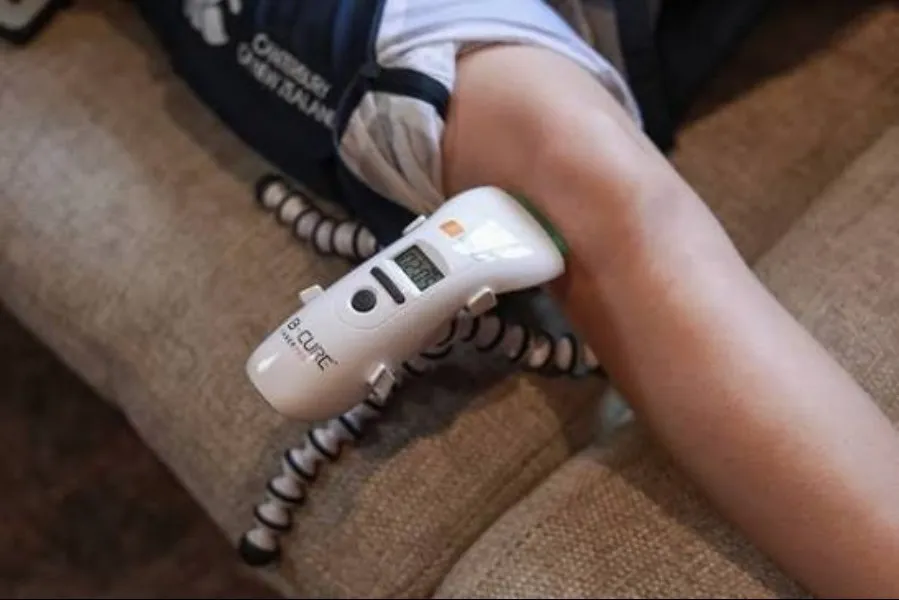
Laser Therapy in Physiotherapy: A Gentle Approach to Pain Relief and Recovery
Pain can affect how you walk, work, sleep, exercise, and participate in daily life. At Physionyx Physiotherapy & Rehab, I use low-level laser therapy as one part of a personalised physiotherapy programme for selected patients with pain, inflammation, soft-tissue problems, and injury-related limitations.
This treatment is also known as photobiomodulation, low-level laser therapy, or cold laser therapy. It is non-invasive and designed to deliver therapeutic light to the treatment area without cutting tissue or producing the heat associated with surgical lasers.
What Is Low-Level Laser Therapy?
Low-level laser therapy uses controlled light energy applied to the skin over a painful or injured area. The intention is to support the body’s natural repair processes and help manage symptoms as part of a broader rehabilitation plan.
Unlike a surgical laser, the laser used in physiotherapy is not intended to cut, remove, or burn tissue. Treatment is generally comfortable, and many patients feel little or no sensation during application.
Laser therapy should not be promoted as a universal cure. Its suitability depends on the diagnosis, treatment area, medical history, skin condition, and rehabilitation goals.
How Laser Therapy May Support Recovery
Photobiomodulation is thought to influence cellular and tissue processes involved in pain and recovery. It may support:
- Temporary reduction in pain.
- Management of local inflammation.
- Tissue-repair processes.
- Local circulation and tissue perfusion.
- Comfortable participation in movement and exercise.
- Recovery from selected soft-tissue and musculoskeletal problems.
The response varies between patients and conditions. Laser therapy is best used alongside appropriate physiotherapy rather than as a replacement for diagnosis, exercise, strengthening, or medical care.
Conditions That May Benefit
After assessment, laser therapy may be considered as part of treatment for:
- Muscle strains and sports injuries.
- Tendon-related pain.
- Tennis elbow and golfer’s elbow.
- Joint pain and stiffness.
- Neck and back pain.
- Knee, ankle, wrist, or shoulder pain.
- Sprains and soft-tissue injuries.
- Selected post-operative rehabilitation programmes.
- Some wounds or tissue-healing concerns, where clinically appropriate.
The underlying cause of pain should always be assessed. A treatment that may be suitable for one condition may not be appropriate for another.
Laser Therapy at Physionyx
At Physionyx Physiotherapy & Rehab, I use laser therapy selectively and integrate it with other services, such as:
- Manual therapy.
- Joint mobilisation.
- Soft-tissue techniques.
- Therapeutic exercise.
- Strength and conditioning.
- Stretching and mobility work.
- Sports injury rehabilitation.
- Post-operative rehabilitation.
- Posture and movement correction.
- Home exercise guidance.
The aim is to help reduce symptoms sufficiently for you to move, exercise, and progress through rehabilitation more comfortably.
What Happens During a Session?
A typical session may include:
- Discussion of your symptoms, medical history, and goals.
- Physical assessment of movement, strength, sensitivity, and function.
- Identification of the appropriate treatment area.
- Application of the laser over selected points.
- Reassessment of pain or movement where appropriate.
- Manual therapy, exercise, or advice to support recovery.
The treatment duration and number of sessions vary according to the condition and the device protocol used. Patients should follow the instructions provided by their physiotherapist rather than copying a protocol intended for another person or device.
Why Combine Laser Therapy With Exercise?
Pain relief alone does not necessarily restore strength, balance, joint control, or movement confidence. Exercise helps the body tolerate daily tasks, work demands, gym activity, and sport.
Your programme may include:
- Range-of-motion exercises.
- Progressive strengthening.
- Balance and coordination work.
- Core or postural training.
- Tendon-loading exercises.
- Functional movement practice.
- Gradual return-to-sport drills.
Laser therapy may be used to support this process, but active rehabilitation remains an important part of long-term recovery.
Is the Treatment Comfortable?
Low-level laser therapy is generally non-invasive and typically does not produce the intense heat associated with surgical laser procedures. Some patients may notice a mild sensation, but treatment should not be sharply painful.
Tell your physiotherapist immediately if you experience discomfort, burning, unusual skin changes, dizziness, or worsening symptoms during treatment.
Safety and Precautions
Laser therapy is not appropriate for everyone. Before treatment, inform your physiotherapist about:
- Pregnancy or possible pregnancy.
- Cancer or a suspected tumor.
- Photosensitivity or light-sensitive skin conditions.
- Medicines that increase sensitivity to light.
- Active infection.
- Open wounds or skin disease.
- Recent surgery.
- Eye conditions or difficulty protecting the eyes.
- Any significant medical diagnosis.
Laser light should not be directed into the eyes. Treatment should be delivered by a trained professional using appropriate safety procedures. If you have a wound, infection, unexplained swelling, severe pain, or rapidly worsening symptoms, a medical assessment may be needed before physiotherapy.
What Results Can You Expect?
Some people report reduced pain or easier movement after treatment, while others may need several sessions alongside exercise and activity modification. Results depend on the condition, how long symptoms have been present, general health, sleep, activity levels, and adherence to rehabilitation.
Laser therapy does not guarantee immediate or permanent pain relief. The purpose of treatment is to support a complete plan that addresses the cause and functional impact of your symptoms.
Why Choose Physionyx?
At Physionyx Physiotherapy & Rehab, laser therapy is selected according to your assessment rather than used automatically for every patient. As a physiotherapy doctor, I combine appropriate modalities with hands-on treatment, exercise prescription, rehabilitation planning, and practical advice.
If you are looking for laser therapy in New Delhi, low-level laser therapy near me, or photobiomodulation treatment in South Delhi, book an assessment to discuss whether this treatment is suitable for your condition.
Frequently Asked Questions
Is laser therapy the same as surgery?
No. Low-level laser therapy is a non-invasive physiotherapy modality. It is not intended to cut or remove tissue like a surgical laser.
Does laser therapy permanently cure pain?
Not necessarily. It may help manage symptoms and support recovery, but long-term improvement usually requires treatment of the underlying problem through exercise, movement training, and appropriate medical care.
How many sessions will I need?
The number of sessions depends on your diagnosis, symptom duration, treatment response, and rehabilitation goals. Your treatment plan should be reviewed and adjusted as you progress.
Can laser therapy replace physiotherapy exercises?
No. Laser therapy may complement exercise, manual therapy, and rehabilitation, but it does not replace strengthening, mobility work, or functional retraining.
Can laser therapy be used for sports injuries?
It may be considered for selected sports injuries, including some muscle, tendon, joint, and soft-tissue problems. The athlete should still complete a staged rehabilitation programme before returning to full sport.
Is home use the same as clinical treatment?
Not necessarily. Device specifications, dosage, treatment area, safety procedures, and clinical assessment can differ. Do not use a laser device on yourself or another person without following the manufacturer’s instructions and professional advice.
Important Note
This article is for general education and does not replace an in-person clinical assessment. Laser therapy may be helpful for selected conditions, but treatment should be personalised and provided with appropriate precautions.
Keywords