Ligament Injuries: Symptoms, Treatment, and Recovery
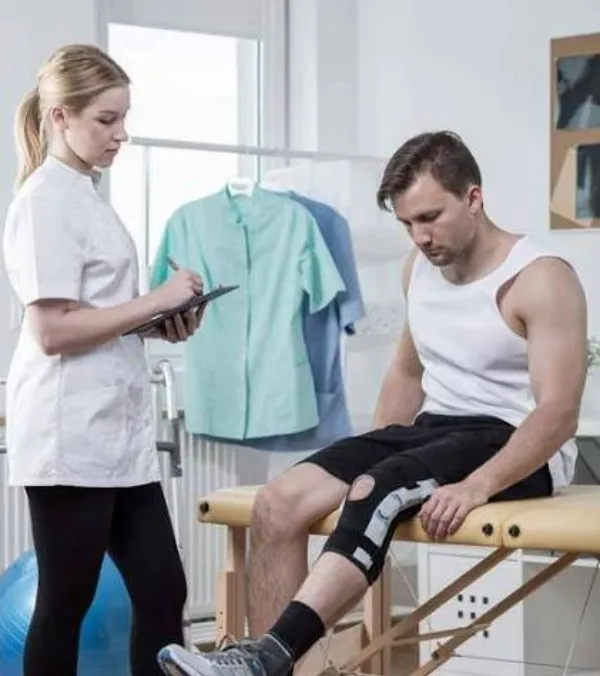
Ligament injuries occur when a ligament—the strong band of tissue connecting bones and stabilizing a joint—is stretched or torn. They commonly affect the ankle, knee, wrist, shoulder, and elbow and may result from twisting, overstretching, a fall, direct impact, or sports activity.
At Physionyx Physiotherapy & Rehab, rehabilitation focuses on reducing pain and swelling, restoring movement and strength, improving joint stability, and helping patients safely return to daily activities or sport.
Common Symptoms
A ligament injury may cause:
- Sudden pain after twisting or impact.
- Swelling and bruising.
- Tenderness around the joint.
- Difficulty moving the affected area.
- Pain while walking or putting weight through the joint.
- A feeling that the joint is unstable or “giving way.”
- A popping sensation or sound at the time of injury.
Symptoms can vary depending on the ligament involved and the severity of the injury. A severe injury may involve substantial instability or an inability to use the joint normally.
Common Ligament Injuries
Physiotherapy may help with rehabilitation after:
- Ankle sprains.
- ACL, PCL, MCL, or LCL injuries.
- Knee ligament sprains.
- Shoulder ligament injuries.
- Wrist and hand ligament injuries.
- Elbow ligament injuries.
- Sports-related ligament injuries.
- Post-surgical ligament reconstruction.
Grades of Injury
Ligament injuries are often described according to severity:
- Grade 1: The ligament is mildly stretched, with small tissue damage and limited instability.
- Grade 2: The ligament is partially torn, with greater pain, swelling, and some joint looseness.
- Grade 3: The ligament is completely torn or significantly disrupted, often causing marked instability.
The grade cannot always be determined from symptoms alone. A physiotherapist or orthopaedic specialist may assess joint stability and movement, and imaging may be recommended when a major tear, fracture, or associated injury is suspected.
Initial Care
In the early stage, protect the injured area and avoid activities that increase pain or swelling. Rest, cold therapy, compression, and elevation may help manage symptoms during the initial period, while a brace or other support may be recommended for some injuries.
Avoid returning to running, jumping, heavy lifting, or contact sports until the joint can tolerate those activities safely. Do not apply ice directly to the skin, and stop any first-aid measure that causes worsening pain, numbness, or skin irritation.
Physiotherapy Treatment
A rehabilitation plan may include:
- Pain and swelling management.
- Gentle range-of-motion exercises.
- Joint mobility work.
- Progressive strengthening.
- Balance and proprioception training.
- Gait or movement retraining.
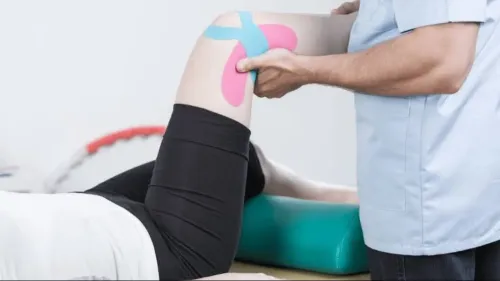
- Bracing or taping advice.
- Sport-specific drills.
- Gradual return-to-work or return-to-sport planning.
- Home exercises and activity guidance.
The main goals are to restore movement, improve muscle support around the joint, regain confidence, and reduce the risk of repeated injury. Mild to moderate sprains are often treated conservatively, while severe tears may require specialist assessment and, in some cases, surgery.
Recovery Time
Recovery depends on the ligament involved, injury grade, age, general health, treatment approach, and the demands of your work or sport. A mild sprain may improve within a few weeks, while a partial tear can take several weeks to a few months. Complete tears and post-surgical injuries may require a much longer rehabilitation period.
You should not use a calendar alone to decide when to return to sport. The injured joint should have appropriate range of motion, strength, balance, and functional control before higher-level activity is resumed.
When to Seek Medical Assessment
Arrange an assessment if you have:
- Severe or rapidly increasing swelling.
- Inability to bear weight.
- Significant bruising or deformity.
- A joint that repeatedly gives way.
- A loud pop followed by immediate pain or swelling.
- Numbness, coldness, or unusual colour in the limb.
- Symptoms that do not improve with basic care.
- Pain after a major fall, collision, or twisting injury.
Prompt assessment is particularly important when a fracture, complete ligament tear, dislocation, or meniscus injury may also be present.
Why Choose Physionyx?
At Physionyx Physiotherapy & Rehab, Dr. Niraj Kumar can assess the affected joint and develop a rehabilitation plan based on your symptoms, movement limitations, injury stage, and functional goals.
If you are looking for ligament injury physiotherapy in New Delhi, sports injury rehabilitation near me, or a physiotherapist in South Delhi, treatment may combine manual therapy, therapeutic exercise, strengthening, balance training, and gradual return-to-activity guidance.
Frequently Asked Questions
Can physiotherapy heal a ligament injury?
Physiotherapy can support healing by protecting the joint, restoring movement, improving strength, and rebuilding stability. Severe or complete tears may also require evaluation by an orthopaedic specialist.
Should I exercise after a ligament injury?
Gentle, guided movement is often introduced when appropriate, but the exercises must match the injury stage. Avoid painful or high-impact activity until your physiotherapist confirms that it is safe.
Do all ligament injuries require surgery?
No. Many mild and moderate injuries are managed with protection, rehabilitation, and progressive strengthening. Surgery may be considered for selected complete tears, persistent instability, or injuries affecting high-demand activities.
How do I know if my ligament injury is serious?
Rapid swelling, inability to bear weight, marked instability, deformity, or a pop followed by severe pain may indicate a significant injury and should be assessed promptly.
Can ligament injuries happen again?
Yes. Re-injury risk may increase if strength, balance, mobility, or movement control has not fully recovered. Completing rehabilitation and returning gradually to sport can help reduce this risk.
Keywords