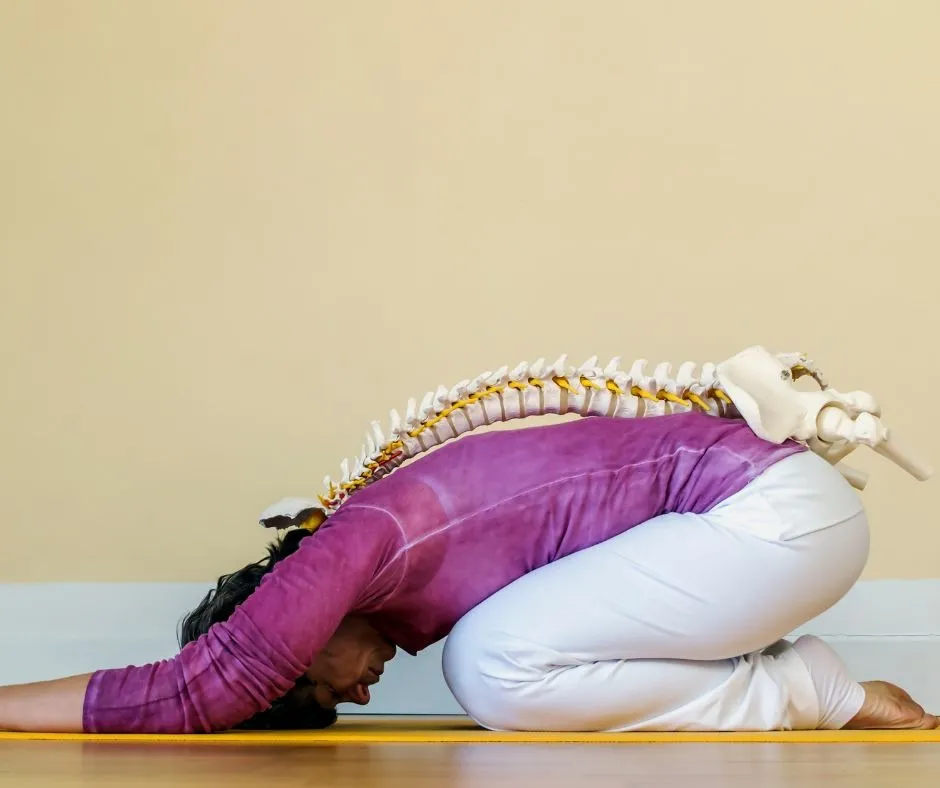
Spinal Stenosis Holding You Back? Expert Physiotherapy Can Help
Spinal stenosis can make everyday movement feel harder than it should be. Walking, standing, bending, and even sitting for some time may become painful or uncomfortable when the spaces in the spine become narrowed. For many people, the pain may spread into the back, neck, arms, or legs, and the problem can slowly begin to affect work, travel, sleep, and daily life.
If you are searching for spinal stenosis treatment in South Delhi or want a trusted physiotherapist near me, expert physiotherapy can help reduce symptoms, improve movement, and support better function. At Physionyx, the goal is not only to manage pain, but also to improve posture, mobility, and the way the body moves during daily activities.
What is spinal stenosis?
Spinal stenosis means narrowing of the spaces inside the spine. This narrowing can put pressure on the spinal cord or the nerves that travel through the spine. It most commonly affects the neck or lower back, and the symptoms depend on where the narrowing is happening.
In the lower back, spinal stenosis may cause pain, heaviness, or weakness in the legs, especially while walking or standing. In the neck, it may lead to pain, stiffness, numbness, or weakness in the arms and hands. Many patients first search for terms like back pain while walking, leg numbness, or neck stiffness with tingling before they realize stenosis may be involved.
Common symptoms
People with spinal stenosis may notice one or more of the following problems:
- Pain in the lower back or neck.
- Numbness or tingling in the arms, hands, legs, or feet.
- Weakness in the limbs.
- Pain or heaviness while walking or standing.
- Relief when sitting or bending forward in some cases.
- Stiffness and reduced flexibility.
- Difficulty balancing or moving confidently.
- Trouble climbing stairs or walking longer distances.
- Pain that comes and goes depending on activity.
- Discomfort that affects sleep or daily routine.
Symptoms may develop slowly and become more noticeable over time. Because spinal stenosis can feel different from person to person, a careful assessment is important before treatment begins.
Why physiotherapy helps
Physiotherapy is one of the most effective conservative treatments for spinal stenosis. The goal is to reduce pain, improve movement, strengthen supporting muscles, and help the body function better even when the spine is irritated.
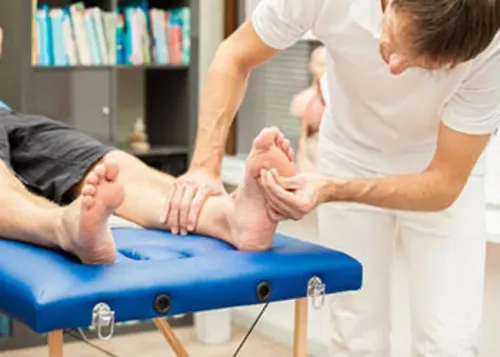
A physiotherapist may assess posture, walking pattern, flexibility, strength, spine mobility, and daily habits before designing a plan. In many cases, treatment includes gentle exercise, pain-relief techniques, posture correction, and movement education. This can help patients stay active while reducing unnecessary strain on the spine.
How expert physiotherapy can help
A structured physiotherapy program may include:
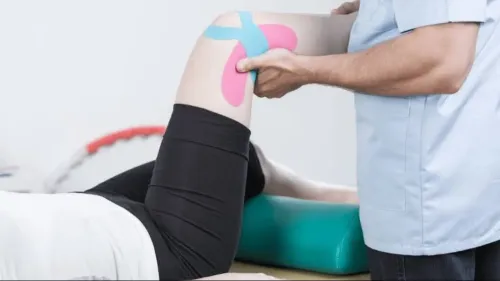
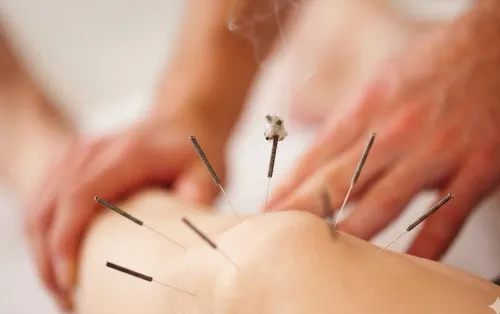
- Gentle pain-relief techniques.
- Manual therapy to improve mobility where appropriate.
- Stretching for tight muscles in the back, hips, or neck.
- Strengthening exercises for the core, back, and leg muscles.
- Posture correction for sitting, standing, and walking.
- Balance and gait training when needed.
- Advice on activity modification and safe movement.
- Home exercises to maintain progress between sessions.
The exact treatment plan depends on where the stenosis is located and how severe the symptoms are. Some patients need lower back-focused rehabilitation, while others need neck and arm symptom management. A personalized plan is important because spinal stenosis affects people in different ways.
Everyday habits that can worsen symptoms
Spinal stenosis often becomes more difficult to manage when daily habits continue to overload the spine. Common triggers include:
- Long periods of standing or walking without breaks.
- Poor posture.
- Weak core and back muscles.
- Repeated bending or lifting.
- Sitting or driving for long hours.
- Inactivity and reduced mobility.
- Sudden twisting movements.
- Carrying heavy loads incorrectly.
This is why physiotherapy is not only about pain relief. It also helps patients learn how to move and live in a way that reduces pressure on the spine and supports better daily function.
Who should seek treatment
You should consider physiotherapy if back or neck pain is becoming frequent, if walking is getting harder, or if you have numbness, tingling, or weakness in the arms or legs. It is especially important if symptoms are affecting your work, sleep, travel, or confidence in movement.
Many people search for spinal stenosis physiotherapy in South Delhi, back pain and leg pain treatment, or best physiotherapist in Delhi because they want practical help close to home. A local clinic also makes follow-up sessions easier and helps patients stay consistent with their rehabilitation plan.
Why early treatment matters
Waiting too long can allow stiffness, weakness, and movement fear to increase. Early physiotherapy can help reduce discomfort before symptoms become more limiting. It can also help patients understand which movements are helpful, which positions should be modified, and how to stay active safely.
For many patients, the biggest goal is to move with less pain and more confidence. That is where a good physiotherapy plan can make a real difference.
Why choose Physionyx
At Physionyx, spinal stenosis care is based on experience, careful assessment, and individualized treatment. Every patient’s symptoms are different, so the rehabilitation plan should match the affected area, pain pattern, mobility level, and lifestyle needs.
If you are looking for spinal stenosis treatment in South Delhi, expert physiotherapy can help you reduce pain, improve movement, and return to daily activities with more confidence. With the right approach, many patients can manage their symptoms better and stay more active.
FAQ
Can physiotherapy help spinal stenosis?
Yes. Physiotherapy can help reduce pain, improve mobility, and strengthen the muscles that support the spine.
Is spinal stenosis permanent?
It is often a long-term condition, but symptoms can usually be managed well with the right treatment and exercise plan.
Do I need exercises at home?
Yes. Home exercises are usually an important part of recovery and long-term improvement.
Should I avoid all movement?
No. In most cases, guided movement is better than complete rest, but exercises should be prescribed correctly.
Final Note
Spinal stenosis can make everyday life harder, but it does not have to control your routine. With expert physiotherapy, the right exercises, and practical posture advice, many patients can reduce pain, move better, and feel more comfortable in daily life.
Keywords