Mechanical Back Pain: Expert Physiotherapy Can Help You Move Better
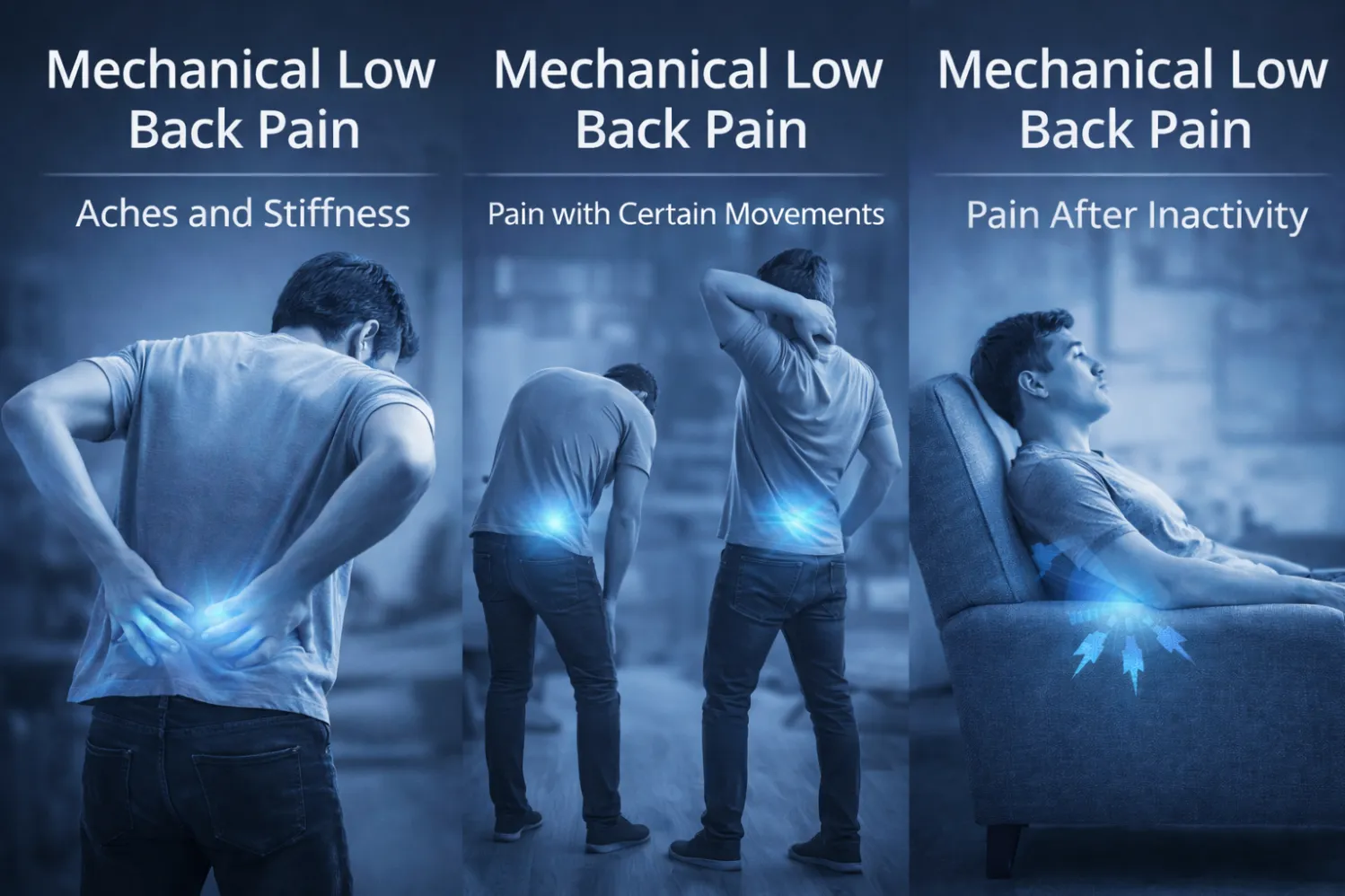
Mechanical back pain is one of the most common reasons people visit a physiotherapist. It usually happens when the joints, muscles, ligaments, discs, or movement patterns of the spine are strained or irritated. For many people, the pain gets worse with certain activities such as sitting, bending, lifting, or standing for long periods.
If you are searching for mechanical back pain treatment in South Delhi or want a trusted physiotherapist near me, expert physiotherapy can help reduce pain, improve movement, and support better spine health. At Physionyx, the goal is to treat not just the pain, but also the habits and movement issues that often cause the pain to keep coming back.
What is mechanical back pain?
Mechanical back pain refers to pain that comes from the structures of the spine and surrounding tissues rather than from an internal medical illness. It may involve muscles, joints, discs, ligaments, or posture-related strain. The pain often changes with movement, position, and activity level.
This type of back pain can appear in the lower back, mid back, or sometimes the upper back. It may start after lifting, long sitting, awkward movement, poor posture, or repeated strain over time. Many people search for terms like lower back pain while sitting, pain while bending, or back stiffness after waking up because these are common signs of mechanical back problems.
Common symptoms
People with mechanical back pain may notice one or more of the following problems:
- Lower back or mid back pain.
- Stiffness in the morning or after rest.
- Pain that worsens with sitting, bending, twisting, or lifting.
- Muscle tightness in the back or hips.
- Difficulty standing up after sitting for long periods.
- Pain that improves with position change or gentle movement.
- Discomfort while working, driving, or lifting objects.
- Reduced flexibility in the spine.
- Tension spreading into the buttocks or thighs.
Because the pain often depends on movement, patients may feel better when they change position or take a short break. This is one reason mechanical back pain is often different from pain caused by other medical problems.
Why physiotherapy helps
Physiotherapy is one of the most effective ways to manage mechanical back pain. The goal is to reduce pain, improve movement, strengthen the muscles that support the spine, and correct the daily habits that are placing too much stress on the back.
A physiotherapist may assess posture, spine motion, muscle tightness, core strength, lifting habits, and work routine before creating a treatment plan. In many cases, a combination of exercise therapy, manual therapy, posture correction, and education can help improve symptoms and reduce recurrence.
How expert physiotherapy can help
A structured physiotherapy program may include:
- Gentle pain-relief techniques.
- Manual therapy to improve joint mobility where appropriate.
- Stretching for tight back, hip, and leg muscles.
- Strengthening exercises for the core, glutes, and back muscles.
- Posture correction for sitting, standing, and lifting.
- Advice on safe movement during work and daily activities.
- Home exercises to support long-term improvement.
- Ergonomic guidance for desk work and daily routines.
The right treatment depends on the source of pain and the patient’s movement pattern. Some people need help mainly with muscle tightness and posture, while others need support for stiffness, weak core muscles, or repeated strain.
Everyday habits that make it worse
Mechanical back pain often becomes more frequent because of repeated daily strain. Common triggers include:
- Long hours of sitting.
- Poor posture.
- Incorrect lifting technique.
- Weak core and back muscles.
- Repeated bending or twisting.
- Sudden movement after long rest.
- Carrying weight unevenly.
- Low activity levels.
- Stress-related muscle tension.
This is why physiotherapy is not only about treatment sessions. It is also about helping patients move and live in ways that protect the spine. Small changes in daily habits can make a major difference over time.
Who should seek treatment
You should consider physiotherapy if your back pain keeps returning, if stiffness is affecting daily life, or if movement such as bending, lifting, sitting, or standing has become uncomfortable. It is especially important if the pain is interfering with work, sleep, travel, or exercise.
Many people search for mechanical back pain physiotherapy in South Delhi, lower back pain treatment near me, or best physiotherapist in Delhi because they want practical help close to home. A local clinic also makes follow-up easier and helps patients stay consistent with rehabilitation.
Why early treatment matters
Waiting too long can allow stiffness, weakness, and movement fear to increase. Early physiotherapy can help reduce discomfort before the problem becomes more limiting. It can also help patients understand what movements are safe and how to protect the spine during daily activities.
For many patients, the main goal is not only pain relief but also getting back to normal work and movement with confidence. That is where the right physiotherapy plan can make a real difference.
Why choose Physionyx
At Physionyx, mechanical back pain care is based on experience, careful assessment, and individualized treatment. Every patient’s back pain is different, so the rehabilitation plan should match the actual cause, movement pattern, posture, and lifestyle demands.
If you are looking for mechanical back pain treatment in South Delhi, expert physiotherapy can help you reduce pain, improve movement, and return to your routine with more confidence. With the right approach, many patients can manage their symptoms better and prevent recurring pain.
FAQ
Can physiotherapy help mechanical back pain?
Yes. Physiotherapy can help reduce pain, improve mobility, and strengthen the muscles that support the spine.
Is mechanical back pain serious?
It is often not dangerous, but it can become chronic if the cause is not addressed properly.
Do I need exercises at home?
Yes. Home exercises are usually an important part of recovery and long-term improvement.
Should I avoid movement?
No. In most cases, guided movement is better than complete rest, but exercises should be prescribed correctly.
Final Note
Mechanical back pain can disrupt your routine, but it does not have to control your life. With expert physiotherapy, the right exercises, and practical posture advice, many patients can reduce pain, move better, and feel more comfortable in daily life.
Keywords