
Pain Relief Physiotherapy in South Delhi: How Physiotherapy Frees You from Chronic Pain
Pain stops you from living fully. Whether it's a stiff neck after long hours at a desk, lower back pain after lifting, or persistent knee pain when climbing stairs, targeted physiotherapy can give you lasting relief without over-reliance on medicines. At Physionyx in South Delhi, our pain relief physiotherapy program focuses on diagnosing the root cause, reducing pain, restoring movement, and preventing recurrence — all with evidence-based techniques that help adults aged 20–65 return to daily life and work pain-free.
Why choose physiotherapy for pain?
- Non-invasive and drug-sparing approach.
- Personalized treatment that treats the cause, not just symptoms.
- Restores function and improves quality of life.
- Proven methods for both acute injuries and chronic pain conditions.
Common pain problems we treat in South Delhi residents
- Lower back pain: ache after long sitting, bending, lifting, sciatica, radiating pain to the leg.
- Neck pain and stiffness: computer-related neck strain, headaches from neck tension.
- Shoulder pain: rotator cuff tendinopathy, frozen shoulder, pain with overhead activity.
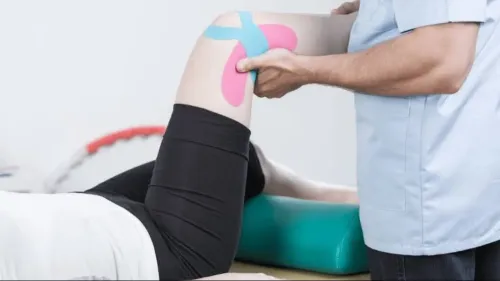
- Knee pain: osteoarthritis, patellofemoral pain, post-injury pain.
- Hip and groin pain: tendinopathy, bursitis, pain with walking or climbing stairs.
- Joint pain from arthritis: stiffness, swelling, reduced mobility.
- Sports and overuse injuries: sprains, strains, tendon pain.
- Postural pain and repetitive strain: pain from prolonged desk work, sleeping posture, or phone use.
Typical symptoms patients look for
Many patients in South Delhi Look for Problems like “lower back pain treatment near me,” “neck pain physiotherapy in South Delhi,” “knee pain relief without surgery,” or “pain relief physiotherapy clinic near me.”
Typical symptoms include:
- Constant ache or sharp stabbing pain
- Restricted movement or stiffness
- Pain radiating down arm or leg
- Pain worse with movement or certain positions
- Morning stiffness, swelling, or clicking in joints
- Pain that responds temporarily to rest or medication but returns
How physiotherapists diagnose pain
A precise diagnosis is the first step. At Physionyx we use:
- Detailed clinical history (when pain started, triggers, occupation, daily routine)
- Functional assessment (posture, gait, joint range, muscle strength)
- Special tests to identify nerve irritation, joint dysfunction, or soft-tissue injury
- Movement analysis to find faulty movement patterns and ergonomics that perpetuate pain
Evidence-based pain relief physiotherapy treatments we use
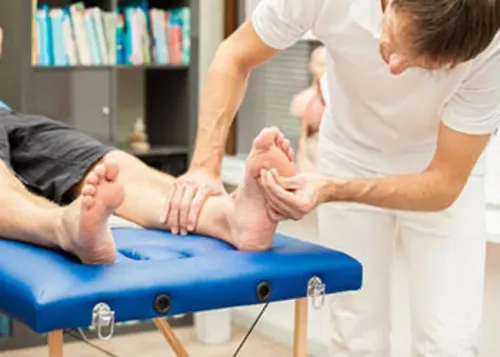
# Manual therapy and joint mobilization
- Gentle hands-on techniques restore joint mobility, reduce stiffness, and decrease pain.
- Effective for back, neck, shoulder, and hip problems.
# Therapeutic exercise and progressive strengthening
- Tailored exercise programs improve strength, flexibility, and endurance.
- Focuses on core stabilization for low back pain, rotator cuff rehab for shoulder pain, and quadriceps/hamstring strengthening for knee pain.
# Neurodynamic techniques and nerve mobilization
- Useful when pain radiates due to nerve irritation (for example, sciatica).
- Restores normal nerve glide and reduces shooting pain.
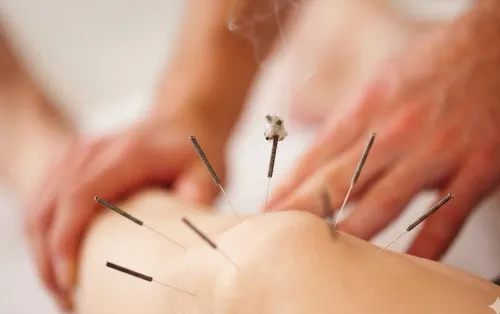
# Dry needling and trigger point therapy
- Targets painful muscle knots and reduces localized and referred pain.
- Often combined with stretching and exercise for better outcomes.
# Pain neuroscience education
- Teaching how pain works reduces fear, anxiety, and activity avoidance.
- Helps patients return to normal movement sooner.
# Electrical modalities and shockwave therapy (as indicated)
- Short-term pain reduction through TENS, ultrasound, or targeted shockwave for tendinopathies.
- Used as adjuncts — not replacements — for active therapy.
# Posture correction and ergonomic advice
- Workplace and daily-life modifications to prevent recurrence.
- Practical advice for desk ergonomics, sleeping posture, and lifting techniques.
# Functional training and return-to-activity planning
- Sport- or job-specific retraining to ensure safe return to activities and reduce re-injury risk.
What to expect from your first physiotherapy visit
- Thorough evaluation (30–60 minutes), clear diagnosis, and a simple plan.
- Short-term pain-reduction strategies (home exercises, posture tips, pain education).
- Tailored exercise programs and progressive goals.
- A timeframe for improvement and criteria for discharge or follow-up.
How long until I feel better?
- Acute pain from a recent injury: often noticeable improvement in 10 Days.
- Chronic pain (over 3 months): requires consistent therapy and self-management; meaningful improvement commonly occurs in 1–3 weeks with adherence.
- Everyone progresses differently; regular review ensures the plan changes as you improve.
Who benefits most from pain relief physiotherapy?
- Adults 20–65 with work-related, sports, or lifestyle-related pain.
- Patients seeking non-surgical options or wish to reduce pain medications.
- Post-operative patients needing rehabilitation and safe return to activity.
- People wanting long-term pain control through exercise and behavior changes.
Why local patients from South Delhi choose Physionyx
- Convenient location and timings for professionals living in South Delhi.
- Experienced physiotherapists who understand local lifestyle triggers (commuting posture, desk-based work, household chores).
- Personalized plans focused on rapid functional recovery and long-term prevention.
- Clear communication in English and Hindi for better patient understanding and compliance.
Simple self-care tips you can start today
- Short movement breaks every 30–45 minutes if you sit at a desk.
- Correct your chair height so hips are slightly higher than knees and screen at eye level.
- Use a lumbar roll for long drives or sitting to maintain natural lower back curve.
- Start gentle mobility and strengthening exercises as prescribed; consistency beats intensity.
- Apply heat for tight muscles and cold for recent swelling or sharp pain.
Take the next step — book a pain assessment
If you live in or near South Delhi and are seeking lasting pain relief, schedule a pain assessment at Physionyx. A focused evaluation will produce a clear treatment plan designed to relieve pain, restore function, and prevent future problems.
Suggested call-to-action: Call us at 08048037133 or book online at https://physionyx.in/ to schedule your assessment today.
Keywords