Shockwave Therapy for Tendonitis in South Delhi
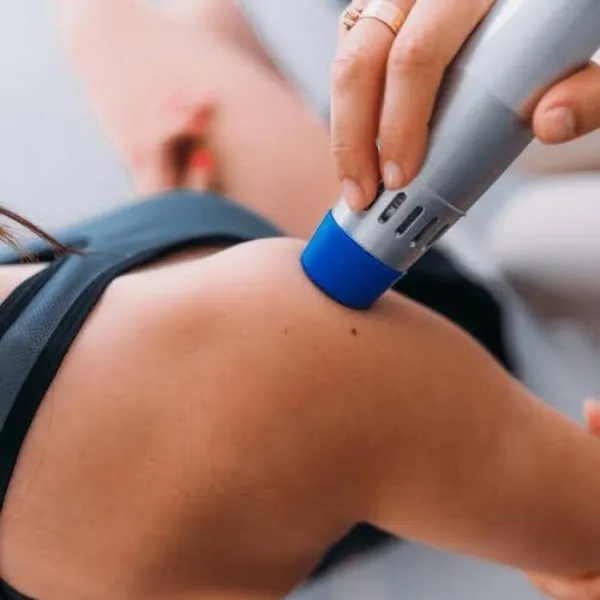
Shockwave therapy, also called extracorporeal shock wave therapy (ESWT), uses acoustic waves delivered through a treatment applicator to target certain persistent tendon and soft-tissue problems. It is commonly offered for conditions such as tennis elbow, Achilles tendinopathy, plantar fasciitis, patellar tendinopathy, and calcific shoulder tendinopathy.
Tendon Problems Treated
Shockwave therapy may be considered for:
- Tennis elbow.
- Golfer’s elbow.
- Achilles tendonitis or tendinopathy.
- Patellar tendonitis, also called jumper’s knee.
- Rotator-cuff or calcific shoulder tendinopathy.
- Plantar fasciitis and heel pain.
- Chronic tendon pain related to repetitive strain.
- Selected sports-related tendon injuries.
It is generally considered after assessment when symptoms have persisted despite appropriate activity modification, exercise, and other conservative treatment.
How It Works
During treatment, ultrasound gel is applied to the skin and a probe delivers acoustic pulses to the affected area. A session may take approximately 5–20 minutes, depending on the condition and equipment used. Treatment can feel uncomfortable, but intensity may be adjusted to the patient’s tolerance.
Shockwave therapy is usually most useful as part of a rehabilitation programme rather than as a stand-alone treatment. Strengthening, mobility work, load management, and gradual return to activity remain important for tendon recovery.
What to Expect
A typical appointment may include:
- Assessment of the tendon and surrounding joints.
- Identification of aggravating activities.
- Discussion of whether shockwave therapy is suitable.
- Application of gel and targeted acoustic pulses.
- Advice on activity modification and exercises.
- Follow-up to monitor pain, strength, and function.
Temporary soreness, redness, or tenderness can occur after treatment. Some clinics describe improvement over several sessions, while tendon recovery itself may continue over weeks.
Who Should Avoid It?
Shockwave therapy is not suitable for everyone. Tell the clinician if you:
- Are pregnant.
- Have a bleeding disorder.
- Take anticoagulant medication.
- Have an infection or open wound near the treatment area.
- Have reduced sensation in the area.
- Have a tumour or serious medical condition.
- Recently received a steroid injection.
- Have a suspected tendon rupture or fracture.
The clinician should review your medical history and confirm the diagnosis before treatment.
Shockwave Therapy in South Delhi
If you are searching for shockwave therapy for tendonitis in South Delhi, Physionyx Physiotherapy & Rehab can assess the painful tendon and determine whether shockwave therapy, exercise rehabilitation, manual therapy, or another approach is appropriate.
Shockwave therapy is available at clinics in parts of South Delhi, including Greater Kailash and Maharani Bagh, although you should confirm the clinic’s current location, equipment, pricing, and practitioner qualifications before booking.
Frequently Asked Questions
Is shockwave therapy painful?
It can feel uncomfortable during the pulses, but the intensity should be adjusted to a tolerable level. Temporary tenderness after treatment is possible.
How many sessions are needed?
The number varies according to the tendon involved, symptom duration, severity, and response to treatment. A clinician should decide this after assessment rather than promising a fixed number.
Can I exercise after shockwave therapy?
Usually, gentle prescribed exercises may continue, but heavy loading or impact activity may need temporary modification. Follow the specific advice given for your tendon and treatment plan.
Is shockwave therapy a replacement for physiotherapy?
No. It should generally be combined with progressive rehabilitation, because improving tendon capacity requires appropriate strengthening and gradual load progression.
This information is for general education and does not replace a clinical diagnosis or personalised treatment plan.
Keywords