Sports Physiotherapy: Recover Stronger, Move Better, Perform With Confidence
Sports physiotherapy helps athletes and active individuals prevent injuries, recover safely, and return to their sport with better strength, mobility, and confidence. Whether you play professionally, exercise at the gym, run recreationally, or participate in weekend sports, the right rehabilitation plan can support your recovery and improve physical performance.
At Physionyx Physiotherapy & Rehab, Dr. Niraj Kumar provides personalized sports physiotherapy in New Delhi for sports injuries, overuse problems, post-surgical rehabilitation, and performance-related concerns.
What Is Sports Physiotherapy?
Sports physiotherapy is a specialized area of physiotherapy focused on preventing, assessing, and treating injuries related to sports, exercise, training, and physical activity.
It may help with injuries involving the muscles, joints, ligaments, tendons, and bones. Treatment is tailored to your sport, activity level, injury, movement pattern, and recovery goals.
Sports physiotherapy is not only for professional athletes. It can also benefit people who experience pain or injury while running, playing cricket, football, badminton, tennis, swimming, cycling, lifting weights, or exercising at the gym.
Common Sports Injuries
Sports physiotherapy may help manage a wide range of conditions, including:
- Ankle sprains.
- Knee pain and runner’s knee.
- ACL or PCL injury rehabilitation.
- Hamstring and calf strains.
- Muscle pulls and ligament injuries.
- Shoulder pain and rotator cuff problems.
- Tennis elbow and golfer’s elbow.
- Shin splints.
- Plantar fasciitis.
- Hip and groin injuries.
- Lower back pain related to sports or training.
- Post-fracture and post-surgical rehabilitation.
The treatment approach depends on the type and severity of the injury. A proper assessment helps identify the factors contributing to pain and reduced performance.
Symptoms That May Need Sports Physiotherapy
You may benefit from sports physiotherapy if you experience:
- Pain during or after exercise.
- Repeated sprains or strains.
- Swelling or stiffness after an injury.
- Reduced strength or flexibility.
- Difficulty running, jumping, lifting, or changing direction.
- Loss of balance or coordination.
- Pain that keeps returning after training.
- Fear of returning to your sport.
- Reduced performance compared with your usual level.
Ignoring these symptoms may allow a small problem to become a longer-lasting injury. Early assessment can help guide a safer recovery.
How Sports Physiotherapy Helps
Sports physiotherapy focuses on helping you return to the activities that matter to you. A physiotherapist may assess your posture, joint mobility, muscle strength, balance, flexibility, coordination, and sport-specific movement.
Treatment may help you:
- Reduce pain and swelling.
- Restore joint movement.
- Improve muscle strength.
- Build flexibility and control.
- Correct movement patterns.
- Improve balance and coordination.
- Reduce the risk of reinjury.
- Return to training gradually and safely.
- Improve confidence during sports participation.
Sports rehabilitation is usually progressive. You may begin with pain control and basic movement before advancing to strength, agility, speed, and sport-specific drills.
Treatment Approach
At Physionyx Physiotherapy & Rehab, a sports physiotherapy program may include:
Injury Assessment
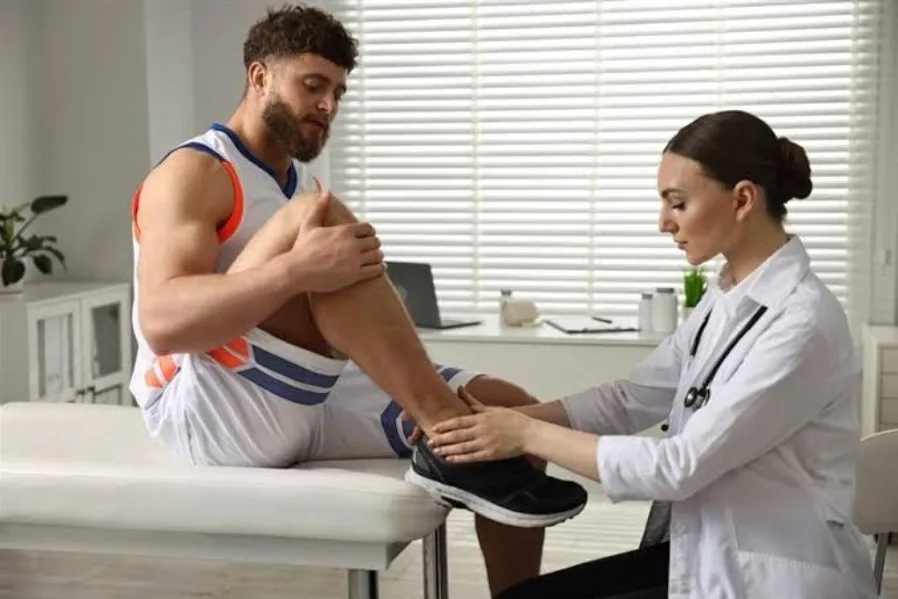
The physiotherapist reviews your symptoms, injury history, sport, training schedule, and movement limitations. A physical assessment helps identify the affected structures and factors that may have contributed to the injury.
Pain and Swelling Management
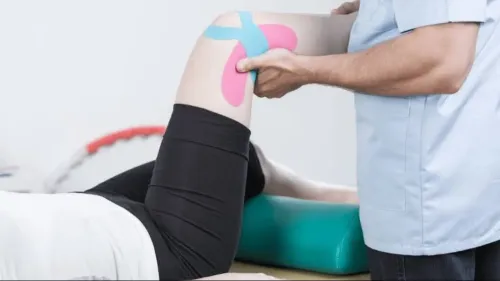
Treatment may include appropriate manual techniques, movement advice, taping, and other physiotherapy methods to help manage discomfort and swelling.
Mobility and Flexibility Exercises
Gentle mobility exercises and stretching may help restore movement after injury or periods of rest.
Strength and Conditioning
Progressive strengthening targets the muscles needed for your sport and daily activities. It may include exercises for the core, hips, knees, shoulders, legs, or upper body.
Balance and Coordination Training
Balance and control exercises can be useful after ankle, knee, or lower-limb injuries. They may also help athletes improve stability during cutting, landing, jumping, or changing direction.
Sport-Specific Rehabilitation
Later stages of rehabilitation may include running drills, jumping, agility exercises, throwing, lifting, or other movements related to your sport.
Return-to-Sport Planning
Returning to sport too quickly may increase the risk of reinjury. A physiotherapist can help you progress gradually based on pain, strength, control, movement quality, and sport demands.
Injury Prevention for Athletes
Sports physiotherapy also helps reduce injury risk through:
- Warm-up and cool-down guidance.
- Strength and conditioning programs.
- Flexibility and mobility work.
- Running or movement analysis.
- Landing and jumping technique.
- Training-load advice.
- Recovery planning.
- Equipment and footwear guidance.
- Correction of faulty movement patterns.
Prevention is especially important if you have had the same injury more than once or if your sport involves repeated jumping, sprinting, twisting, throwing, or heavy lifting.
Daily Habits That Can Delay Recovery
Recovery may be slower when athletes:
- Continue training through significant pain.
- Return to sport before strength and control have recovered.
- Skip warm-ups.
- ncrease training intensity too quickly.
- Ignore swelling or repeated discomfort.
- Do not allow enough rest between sessions.
- Follow exercises inconsistently.
- Use poor technique during training.
- Ignore footwear or equipment problems.
- Compare their recovery with another athlete’s recovery.
A well-planned rehabilitation program should balance activity and recovery rather than relying only on rest or pain relief.
Who Should Seek Sports Physiotherapy?
Sports physiotherapy may be suitable for:
- Professional and competitive athletes.
- School and college athletes.
- Gym users.
- Runners and cyclists.
- Recreational sports players.
- People returning to exercise after surgery or injury.
- Individuals with recurring sports-related pain.
- Anyone wanting safer movement and improved physical performance.
If you are searching for sports physiotherapy in New Delhi, sports injury treatment near me, or a sports physiotherapist in South Delhi, an individualized assessment can help you choose the right recovery plan.
Why Early Treatment Matters
Early treatment can help identify the injury before pain, weakness, and movement changes become more established. It may also help you understand what activities are safe, which exercises are appropriate, and how to return to training without unnecessary risk.
For athletes, timely physiotherapy can support a structured return to activity instead of repeated cycles of injury, rest, and reinjury.
Why Choose Physionyx?
At Physionyx Physiotherapy & Rehab, Dr. Niraj Kumar provides individualized sports physiotherapy based on the athlete’s injury, sport, physical demands, and recovery goals.
The treatment approach may include injury rehabilitation, strength training, mobility work, movement correction, and return-to-sport guidance. Whether you are recovering from an injury or trying to improve your physical performance, the aim is to help you move with greater control and confidence.
If you are looking for sports physiotherapy in New Delhi, Physionyx offers patient-focused care for athletes and active individuals from South Delhi and surrounding areas.
Frequently Asked Questions
Can sports physiotherapy help after an injury?
Yes. It may help reduce pain, restore movement, rebuild strength, and guide a safe return to activity.
Do I need physiotherapy if my sports injury is mild?
A mild injury may improve with appropriate care, but an assessment can help identify the problem and reduce the risk of recurrence, especially if pain continues or returns during activity.
How soon can I return to sport?
Return-to-sport timing varies according to the injury, symptoms, strength, movement control, and sport requirements. Returning should be gradual rather than based only on the number of days since the injury.
Can sports physiotherapy prevent injuries?
It may help reduce injury risk by improving strength, mobility, balance, technique, movement control, and training habits. However, no treatment can guarantee that an injury will never occur.
Is sports physiotherapy only for professional athletes?
No. It is suitable for anyone who participates in sports, exercise, gym training, running, or other physical activities.
Final Note
Sports injuries can interrupt training, competition, and everyday life, but a structured rehabilitation plan can help you progress safely. With expert sports physiotherapy, targeted exercises, movement guidance, and appropriate return-to-sport planning, you can work toward better strength, mobility, confidence, and performance.
Keywords