Physiotherapy After Amputation or Limb Reconstruction
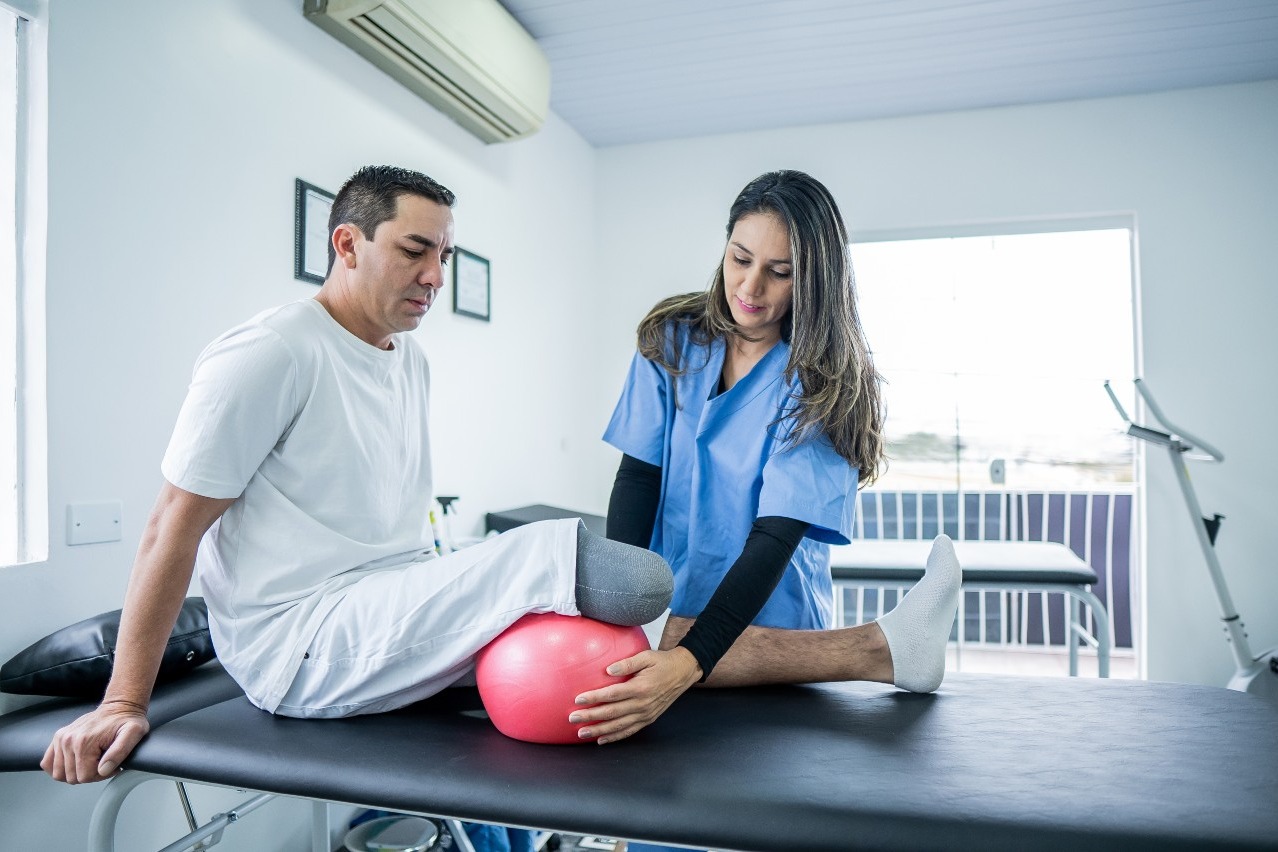
Physiotherapy after amputation or limb reconstruction helps patients restore movement, strength, balance, confidence, and independence. Rehabilitation may begin before surgery, continue during hospital recovery, and progress through pre-prosthetic training, prosthetic use, functional mobility, or long-term limb preservation.
At Physionyx Physiotherapy & Rehab, Dr. Niraj Kumar can create an individualised rehabilitation plan based on the surgical procedure, limb involvement, healing stage, pain, medical precautions, mobility level, and personal goals.
Understanding Amputation and Limb Reconstruction
Amputation rehabilitation
Amputation rehabilitation supports a person after partial or complete removal of a limb. It may involve:
- Wound and residual-limb care.
- Pain and swelling management.
- Positioning.
- Muscle strengthening.
- Balance training.
- Transfer practice.
- Walking with aids.
- Prosthetic preparation.
- Prosthetic training.
- Return to daily activities.
Lower-limb amputation rehabilitation guidelines commonly address perioperative, pre-prosthetic, prosthetic-training, and lifelong-care phases.
Limb reconstruction rehabilitation
Limb reconstruction aims to preserve or restore the structure and function of a damaged limb after trauma, infection, tumour, congenital problems, or complex orthopaedic conditions.
Rehabilitation may focus on:
- Protecting the surgical reconstruction.
- Maintaining safe movement.
- Managing swelling.
- Restoring joint mobility.
- Building strength.
- Gradually increasing weight-bearing.
- Improving balance and coordination.
- Returning to walking and daily function.
Weight-bearing restrictions are patient-specific and must follow the surgeon’s instructions.
Who May Need Rehabilitation?
Physiotherapy may benefit patients after:
- Lower-limb amputation.
- Upper-limb amputation.
- Traumatic limb loss.
- Fracture-related reconstruction.
- Limb-lengthening procedures.
- Complex fracture fixation.
- Tendon or muscle reconstruction.
- Bone or joint reconstruction.
- Infection-related surgery.
- Tumour-related limb surgery.
- Revascularisation procedures.
- Prolonged hospitalisation.
- Multiple surgeries affecting mobility.
The rehabilitation programme differs according to the affected limb, surgical technique, tissue healing, medical condition, and functional goals.
Why Physiotherapy Is Important
After amputation or limb reconstruction, pain, weakness, swelling, stiffness, fear of movement, and reduced confidence can affect daily life. Physiotherapy helps the patient progress safely while protecting healing tissues.
It may help to:
- Preserve available joint movement.
- Prevent avoidable stiffness.
- Improve muscle activation.
- Restore strength.
- Improve sitting and standing balance.
- Develop safe transfers.
- Retrain walking.
- Prepare for a prosthesis.
- Improve prosthetic control.
- Reduce fall risk.
- Return to work and hobbies.
- Increase independence.
Physiotherapy after limb reconstruction should maximise function while respecting healing principles and post-operative precautions.
Assessment at Physionyx
The first assessment includes a discussion of the patient’s surgery, medical history, pain, mobility, home situation, and goals. The physiotherapist then assesses physical and functional abilities.
The assessment may include:
- Wound and residual-limb precautions.
- Pain and phantom-limb sensations.
- Swelling.
- Joint range of motion.
- Muscle strength.
- Muscle length and flexibility.
- Sitting and standing balance.
- Transfers.
- Walking pattern.
- Weight-bearing status.
- Use of walking aids.
- Endurance.
- Skin condition.
- Prosthetic readiness.
- Home-safety needs.
- Caregiver support.
The treatment plan is updated as healing progresses and the patient’s functional needs change.
Phases of Amputation Rehabilitation
Pre-operative phase
When possible, rehabilitation begins before amputation. The physiotherapist may discuss:
- Expected mobility changes.
- Strength and conditioning.
- Transfer techniques.
- Walking-aid use.
- Positioning.
- Home preparation.
- Prosthetic expectations.
- Caregiver support.
- Emotional and practical concerns.
Pre-operative education can help the patient and family understand the rehabilitation journey.
Early post-operative phase
The early phase focuses on medical stability, wound protection, positioning, circulation, and basic independence.
Treatment may include:
- Breathing and circulation exercises.
- Bed mobility.
- Position changes.
- Sitting balance.
- Transfer training.
- Gentle strengthening.
- Safe standing where permitted.
- Education about limb positioning.
- Residual-limb protection.
- Wheelchair skills when needed.
The exact exercises depend on the surgical site and medical instructions.
Pre-prosthetic phase
Before receiving a prosthesis, the patient may work on:
- Residual-limb shaping and care.
- Joint mobility.
- Muscle strengthening.
- Core control.
- Balance.
- Transfers.
- Walking with a temporary aid.
- Wheelchair mobility.
- Endurance.
- Skin inspection.
- Confidence with movement.
This phase prepares the body and mind for prosthetic fitting and functional use.
Prosthetic-training phase
Once a prosthesis is prescribed and fitted, physiotherapy may include:
- Putting on and removing the prosthesis.
- Checking skin tolerance.
- Weight shifting.
- Standing balance.
- Walking between parallel bars or with aids.
- Step practice.
- Turning.
- Negotiating uneven surfaces.
- Stair training.
- Improving gait symmetry.
- Increasing wearing time gradually.
- Functional daily-activity practice.
Prosthetic rehabilitation is usually coordinated with the prosthetist and wider medical team. Specialist prosthetic physiotherapy commonly includes pre-prosthetic exercise, assessment for prosthetic suitability, fitting coordination, and safe prosthetic-use training.
Long-term maintenance
Long-term rehabilitation may focus on:
- Maintaining strength.
- Preventing overuse injuries.
- Preserving joint movement.
- Improving cardiovascular fitness.
- Managing prosthetic changes.
- Monitoring skin.
- Adapting to changes in activity.
- Maintaining safe walking.
- Returning to recreation or sport.
- Managing weight and general health.
Ongoing review may be useful because mobility needs can change with age, activity, prosthetic adjustments, or other medical conditions.
Limb Reconstruction Rehabilitation
Limb reconstruction rehabilitation may be complex because the patient may undergo several procedures and have changing restrictions.
Treatment may address:
- Post-operative swelling.
- Pain.
- Muscle inhibition.
- Joint stiffness.
- Reduced weight-bearing.
- Weakness after prolonged immobilisation.
- Scar-related movement restriction.
- Balance problems.
- Reduced confidence.
- Difficulty returning to work or sport.
The programme may progress from protected movement to strengthening, loading, balance, gait training, and functional activity. Active exercises for unaffected joints may begin early, while exercises for the reconstructed area are introduced when permitted by the surgical team.
Mobility Training
Mobility training may include:
- Rolling in bed.
- Moving from lying to sitting.
- Bed-to-chair transfers.
- Toilet transfers.
- Sit-to-stand practice.
- Standing balance.
- Wheelchair skills.
- Walker or crutch use.
- Indoor walking.
- Stair practice.
- Outdoor mobility.
- Uneven-ground training.
The physiotherapist chooses the appropriate mobility aid according to strength, balance, weight-bearing status, coordination, and surgical precautions.
Pain Management
Pain after amputation or reconstruction may include surgical pain, residual-limb pain, nerve-related pain, or phantom-limb sensations. Physiotherapy may support pain management through:
- Comfortable positioning.
- Gentle movement.
- Desensitisation when appropriate.
- Relaxation and breathing strategies.
- Gradual loading.
- Muscle strengthening.
- Education.
- Activity pacing.
- Residual-limb care.
- Referral to the medical team when pain requires further evaluation.
Pain should be discussed openly. Sudden severe pain, rapidly increasing pain, or pain with wound changes requires medical review.
Residual-Limb Care
Patients should follow the surgical team’s instructions for residual-limb care. Important principles may include:
- Inspecting the skin regularly.
- Keeping the area clean and dry as instructed.
- Protecting the surgical site.
- Following dressing instructions.
- Avoiding pressure on unhealed areas.
- Reporting redness, discharge, or wound opening.
- Learning safe positioning.
- Following guidance about compression or shaping.
A prosthesis should not be worn over damaged skin or an unhealed wound unless specifically approved by the clinical team.
Preparing for a Prosthesis
Not every patient will use a prosthesis, and suitability depends on medical, physical, functional, and personal factors. Pre-prosthetic rehabilitation may help improve:
- Strength.
- Balance.
- Joint mobility.
- Cardiovascular tolerance.
- Transfer ability.
- Residual-limb condition.
- Confidence.
- Ability to follow prosthetic-care instructions.
The prosthetist and rehabilitation team work together to determine the appropriate device and training plan.
Caregiver Support
Caregivers may assist with:
- Safe transfers.
- Home preparation.
- Exercise reminders.
- Skin and wound observation.
- Transport.
- Emotional support.
- Prosthetic-care routines.
- Fall prevention.
Caregivers should receive training before attempting difficult transfers or supporting walking. Assistance should encourage safe independence rather than unnecessary dependence.
Home Physiotherapy
Home physiotherapy may be helpful when the patient is unable to travel after surgery or has limited mobility. Home-based treatment may include:
- Bed mobility.
- Transfer training.
- Wheelchair skills.
- Walking with aids.
- Exercise instruction.
- Home-safety assessment.
- Caregiver education.
- Functional practice in the actual home environment.
As mobility improves, the patient may progress to clinic-based rehabilitation for advanced balance, strengthening, prosthetic, or sport-specific training.
Home Preparation
Before discharge, consider:
- Clear walking routes.
- Good lighting.
- Stable chairs.
- Suitable bed height.
- Bathroom supports.
- Non-slip flooring.
- Safe stair access.
- A place to store mobility aids.
- Easy access to essential items.
- Appropriate footwear.
- Support for meals and personal care.
A home assessment can help identify barriers that may not be obvious in a clinic.
Returning to Work and Activities
Return to work depends on the type of job, surgical healing, mobility, pain, endurance, prosthetic use, and workplace demands. Rehabilitation may prepare the patient for:
- Standing.
- Walking.
- Sitting tolerance.
- Lifting within restrictions.
- Stair use.
- Reaching.
- Carrying.
- Driving-related movements.
- Workplace transfers.
- Recreational activities.
Progress should be gradual and coordinated with the surgeon, physiotherapist, prosthetist, and employer where necessary.
Common Mistakes to Avoid
- Ignoring weight-bearing restrictions.
- Exercising aggressively before tissues heal.
- Failing to inspect the skin.
- Wearing a prosthesis over damaged skin.
- Staying inactive for too long without medical reason.
- Using walking aids incorrectly.
- Pulling on the operated limb during transfers.
- Comparing recovery with another person.
- Neglecting the unaffected limb.
- Avoiding rehabilitation because progress feels slow.
- Returning to work or sport too quickly.
- Ignoring persistent or worsening pain.
Warning Signs Requiring Medical Review
Contact the surgeon or seek medical attention for:
- Fever or chills.
- Increasing redness, warmth, or discharge.
- Wound opening or persistent bleeding.
- Sudden severe pain.
- Rapidly increasing swelling.
- New skin breakdown.
- Black, pale, or unusually cold skin.
- Sudden inability to move or bear weight.
- New numbness or weakness.
- Severe calf pain or swelling.
- Chest pain or breathlessness.
- Repeated falls.
- Sudden change in limb position or appearance.
These symptoms may indicate infection, impaired circulation, wound complications, clotting, fracture, or another problem requiring urgent assessment.
Frequently Asked Questions
Can physiotherapy help after amputation?
Yes. Physiotherapy may help with strength, balance, transfers, walking, residual-limb care, prosthetic preparation, prosthetic training, and return to daily activities.
When should rehabilitation begin?
Rehabilitation may begin before surgery or soon after surgery, depending on medical stability and the surgical team’s advice. Early post-operative physiotherapy assessment is recommended in relevant clinical guidance when the patient’s condition allows.
Will every patient receive a prosthesis?
No. Prosthetic suitability depends on healing, strength, balance, medical condition, functional goals, comfort, and personal preference. Rehabilitation can also support safe mobility without a prosthesis.
Can physiotherapy help with phantom-limb pain?
It may support management through movement, desensitisation, education, positioning, and functional strategies. Persistent or severe pain should also be discussed with the treating doctor.
How long does limb reconstruction rehabilitation take?
The timeline depends on the reconstruction, number of surgeries, tissue healing, weight-bearing restrictions, medical history, and goals. Rehabilitation may continue until the patient reaches the best achievable physical and functional level.
Is home physiotherapy possible?
Home rehabilitation may be appropriate during early recovery or when travel is difficult. Clinic-based treatment may later be useful for advanced strengthening, balance, prosthetic, and community-mobility training.
Can I return to sports after amputation or reconstruction?
Some patients return to recreational or competitive sports, depending on healing, strength, prosthetic or limb function, medical clearance, and sport demands. A gradual sport-specific programme is essential.
Why Choose Physionyx?
At Physionyx Physiotherapy & Rehab in Green Park, South Delhi, rehabilitation after amputation or limb reconstruction is planned around the patient’s medical precautions, mobility needs, daily routine, and long-term goals. Dr. Niraj Kumar may combine therapeutic exercise, balance training, gait rehabilitation, transfer practice, strengthening, functional training, caregiver education, and prosthetic preparation where appropriate.
The aim is to help patients achieve the safest and highest practical level of independence while protecting healing tissues.
Book an Assessment
If amputation or limb reconstruction has affected your strength, walking, balance, transfers, confidence, or independence, contact Physionyx Physiotherapy & Rehab in Green Park, South Delhi. A personalised assessment can help determine rehabilitation priorities and safe next steps.
Book an Appointment With Us Visit www.physionyx.in
Keywords