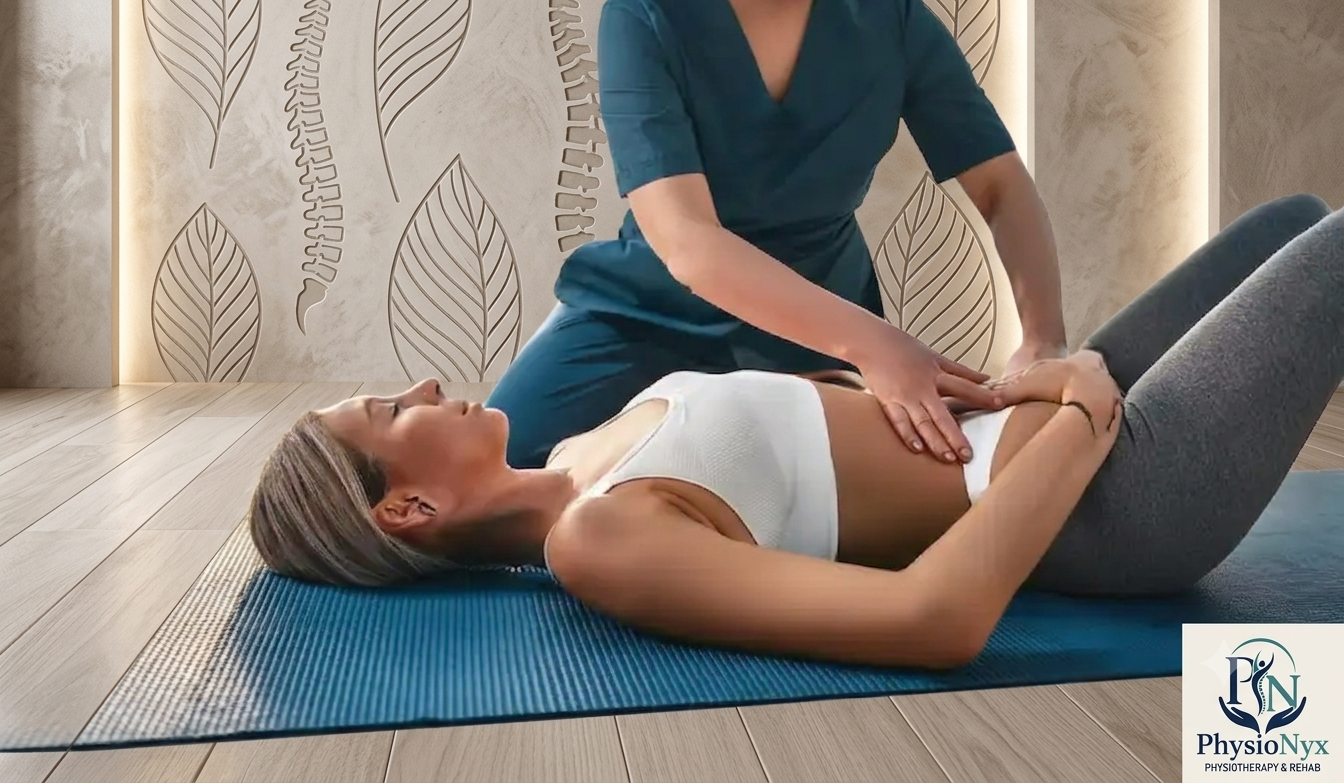
Physiotherapy After Abdominal or Thoracic Surgery
Physiotherapy after abdominal or thoracic surgery helps patients restore mobility, improve breathing, reduce weakness, and return gradually to daily activities. At Physionyx Physiotherapy & Rehab, Dr. Niraj Kumar can create a personalised rehabilitation programme based on the procedure, medical condition, pain, breathing status, surgical precautions, and recovery goals.
Why Physiotherapy Is Important
After abdominal or chest surgery, patients may experience:
- Pain with movement or breathing.
- Reduced lung expansion.
- Weakness from bed rest.
- Difficulty coughing effectively.
- Fatigue.
- Reduced walking tolerance.
- Fear of straining the wound.
- Poor posture.
- Difficulty getting in and out of bed.
- Reduced independence.
Early, appropriately supervised mobility and breathing exercises are commonly used after surgery to support recovery and reduce complications related to inactivity.
Surgeries That May Need Rehabilitation
Post-operative physiotherapy may be useful after:
- Abdominal surgery.
- Bowel or intestinal surgery.
- Hernia repair.
- Gallbladder surgery.
- Stomach surgery.
- Liver or pancreatic surgery.
- Kidney surgery.
- Pelvic surgery.
- Caesarean or gynaecological surgery.
- Open or laparoscopic procedures.
- Lung surgery.
- Chest-wall surgery.
- Heart or thoracic procedures.
- Rib or chest trauma surgery.
The appropriate rehabilitation plan depends on the operation and the surgeon’s instructions.
Main Goals of Rehabilitation
Physiotherapy may help patients:
- Breathe more comfortably.
- Maintain lung expansion.
- Clear airway secretions when needed.
- Move safely in bed.
- Sit out of bed.
- Stand and walk.
- Improve circulation.
- Rebuild strength.
- Manage fatigue.
- Protect the surgical area during movement.
- Return to household and work activities.
- Regain independence.
The focus may change from breathing and basic mobility in the hospital to endurance, strength, posture, and functional activity at home.
Initial Assessment
The first assessment may include:
- Type and date of surgery.
- Medical and respiratory history.
- Pain and wound precautions.
- Breathing pattern.
- Cough effectiveness.
- Oxygen requirements if applicable.
- Chest or abdominal movement.
- Muscle strength.
- Mobility and transfers.
- Walking tolerance.
- Balance.
- Fatigue.
- Posture.
- Home environment.
- Daily activity goals.
The physiotherapist uses this information to determine safe exercise intensity and progression.
Breathing Exercises
Breathing exercises may help encourage deeper breathing after surgery, particularly when pain or shallow breathing reduces lung expansion. Some hospital guidance recommends taking several controlled deep breaths regularly while awake, but the exact programme should be prescribed according to the patient’s condition.
A typical technique may involve:
- Sit upright if comfortable.
- Relax the shoulders.
- Breathe in slowly through the nose.
- Allow the lower ribs and chest to expand.
- Hold briefly if comfortable.
- Breathe out gently.
- Return to relaxed breathing.
Do not force deep breathing if it causes severe pain, dizziness, or distress. Support the wound with a pillow if advised by the medical team.
Airway Clearance
After thoracic or upper-abdominal surgery, coughing may be painful and secretions may be difficult to clear. A physiotherapist may teach:
- Supported coughing.
- Huffing.
- Breathing-control techniques.
- Positioning.
- Gentle chest expansion.
- Mobility to assist ventilation.
- Airway-clearance methods when necessary.
Patients should follow the hospital’s respiratory instructions, especially if they have chronic lung disease, oxygen therapy, or a complicated recovery.
Early Mobility
Early mobility may begin with small activities and progress gradually.
It may include:
- Changing position in bed.
- Sitting upright.
- Sitting in a chair.
- Standing with support.
- Walking a short distance.
- Walking to the bathroom.
- Repeating brief walks.
- Increasing time out of bed.
Guidance after abdominal surgery commonly recommends sitting upright, getting out of bed when safe, and taking regular short walks.
Getting Out of Bed Safely
A log-roll technique may reduce strain on the abdominal area:
- Bend your knees if permitted.
- Roll onto your side.
- Move your legs toward the edge of the bed.
- Push up with your arms.
- Sit upright slowly.
- Pause before standing.
Reverse the sequence when returning to bed. Ask for help initially, especially if you feel dizzy or weak.
Rehabilitation After Abdominal Surgery
Abdominal rehabilitation may focus on:
- Breathing.
- Gentle circulation exercises.
- Bed mobility.
- Transfers.
- Walking.
- Posture.
- Gradual trunk activation.
- Safe return to light activities.
- Avoidance of excessive abdominal strain.
Depending on the procedure, patients may need to avoid heavy lifting and forceful abdominal activity while tissues heal. Some NHS guidance advises avoiding heavy lifting for a defined period, but the appropriate restriction must come from the surgical team.
Rehabilitation After Thoracic Surgery
Thoracic physiotherapy may focus on:
- Breathing mechanics.
- Cough support.
- Airway clearance.
- Chest and shoulder movement.
- Posture.
- Walking tolerance.
- Upper-limb mobility.
- Endurance.
- Gradual return to daily activity.
A graduated walking programme is commonly used after thoracic surgery, beginning with short, frequent walks and increasing according to symptoms and medical stability.
Managing Pain During Movement
Pain can make patients breathe shallowly and avoid movement. Your physiotherapist may recommend:
- Supporting the incision during coughing.
- Changing positions regularly.
- Taking prescribed pain relief before activity when advised.
- Using slow, controlled movements.
- Taking frequent rest breaks.
- Sitting upright.
- Walking for short periods.
- Avoiding breath-holding and straining.
Pain should be controlled enough to allow safe breathing and movement. Severe or worsening pain should be reported.
Strength and Endurance Recovery
Prolonged hospitalisation can reduce muscle strength and exercise tolerance. Rehabilitation may gradually include:
- Seated marching.
- Ankle movements.
- Sit-to-stand practice.
- Gentle leg strengthening.
- Shoulder and arm movement.
- Postural exercises.
- Short walking sessions.
- Gradual endurance training.
The physiotherapist may monitor breathlessness, fatigue, heart rate, oxygen levels, and perceived exertion when clinically appropriate.
Home Physiotherapy
Home physiotherapy may be appropriate when a patient is weak, fatigued, unable to travel, or recovering from a complex operation. Home sessions may include:
- Bed and chair transfers.
- Walking indoors.
- Breathing exercises.
- Stair practice.
- Strengthening.
- Posture correction.
- Energy-conservation strategies.
- Home-safety assessment.
- Caregiver education.
As the patient improves, clinic-based rehabilitation may provide more space for progressive conditioning and functional exercise.
Returning to Daily Activities
Patients should resume activities gradually. Early activities may include:
- Sitting out for meals.
- Walking to the bathroom.
- Preparing a simple snack.
- Folding light clothing.
- Short indoor walks.
- Gentle personal-care tasks.
- Light household activities when cleared.
Avoid heavy lifting, forceful pushing, pulling, strenuous abdominal exercises, and activities that increase wound pain unless cleared by the medical team.
Fatigue Management
Fatigue after abdominal or thoracic surgery can persist even when the wound appears to be healing. Helpful strategies may include:
- Planning activities in advance.
- Alternating activity and rest.
- Taking short walks rather than one long walk.
- Sitting for tasks when possible.
- Prioritising essential activities.
- Avoiding sudden increases in workload.
- Maintaining hydration and nutrition.
- Monitoring breathlessness.
- Sleeping adequately.
Progress should be based on tolerance rather than a fixed schedule.
Home Preparation
Before returning home, consider:
- Clear walking pathways.
- Good lighting.
- Stable chairs.
- Safe bathroom access.
- Frequently used items within reach.
- A comfortable place to rest.
- Assistance with meals.
- Support for stairs.
- A plan for transport and follow-up visits.
- Avoidance of heavy household tasks.
A home assessment may be particularly useful for older adults or patients with weakness and breathlessness.
Caregiver Support
Caregivers can help by:
- Assisting with transfers after instruction.
- Supporting short walks.
- Encouraging breathing exercises.
- Helping with meals and personal care.
- Monitoring symptoms.
- Supporting wound precautions.
- Avoiding unnecessary lifting of the patient.
- Encouraging gradual independence.
Caregivers should seek professional instruction before helping with difficult transfers or airway-clearance techniques.
Warning Signs Requiring Medical Attention
Contact the surgical team or seek urgent medical care for:
- New or worsening breathlessness.
- Chest pain.
- Blue lips or severe oxygen desaturation.
- Coughing blood.
- Fever or chills.
- Increasing wound redness or discharge.
- Wound opening or persistent bleeding.
- Sudden severe abdominal or chest pain.
- Persistent vomiting.
- Severe abdominal swelling.
- Fainting or severe dizziness.
- New confusion.
- Sudden inability to walk.
- Calf pain or swelling.
- Rapidly worsening weakness.
These symptoms may indicate infection, bleeding, respiratory complications, clotting, or another condition requiring medical review.
Common Mistakes to Avoid
- Staying in bed longer than medically necessary.
- Taking shallow breaths because of fear of pain.
- Avoiding coughing when airway clearance is needed.
- Walking too far too soon.
- Lifting heavy objects before clearance.
- Performing sit-ups or strong abdominal exercises early.
- Holding the breath during movement.
- Ignoring increasing breathlessness.
- Returning to strenuous work prematurely.
- Comparing recovery with another patient.
- Skipping follow-up appointments.
- Using home exercises without considering surgical restrictions.
Frequently Asked Questions
When should physiotherapy begin after abdominal or thoracic surgery?
The timing depends on medical stability, the procedure, breathing status, pain, wound condition, and surgeon’s instructions. In many hospital settings, physiotherapy begins early with breathing, circulation, bed mobility, and mobilisation when safe.
Are breathing exercises necessary after surgery?
They may be recommended to encourage deeper breathing and support lung function, particularly after thoracic or upper-abdominal surgery. Follow the programme provided by your physiotherapist or medical team.
Can physiotherapy help after lung surgery?
Yes. Physiotherapy may assist with breathing exercises, airway clearance, posture, shoulder movement, walking, and gradual endurance recovery.
When can I start walking?
Walking generally begins when the medical team considers it safe. It may start with a short, supervised walk and progress gradually according to symptoms and tolerance.
Can I lift objects after abdominal surgery?
Lifting restrictions depend on the operation and healing. Do not lift heavy objects or perform strenuous abdominal work until the surgeon gives clearance.
Can I receive physiotherapy at home?
Home physiotherapy may be suitable when travel is difficult or the patient needs help with basic mobility, breathing exercises, transfers, and home safety.
How long does recovery take?
Recovery varies according to the type of surgery, health status, complications, pain, respiratory function, fitness, and activity demands. Some patients recover over weeks, while others need longer rehabilitation.
Why Choose Physionyx?
At Physionyx Physiotherapy & Rehab in Green Park, South Delhi, post-operative rehabilitation after abdominal or thoracic surgery is tailored to the patient’s medical condition, surgical precautions, breathing status, mobility, and daily goals. Dr. Niraj Kumar may combine breathing exercises, mobility training, strengthening, posture work, walking progression, fatigue management, and caregiver education.
The goal is to help patients regain safe movement, improve confidence, increase activity tolerance, and return to daily life gradually.
Book an Assessment
If abdominal or thoracic surgery has affected your breathing, walking, strength, posture, or independence, contact Physionyx Physiotherapy & Rehab in Green Park, South Delhi. A personalised post-operative assessment can help determine safe rehabilitation priorities and the next stage of recovery.
Keywords