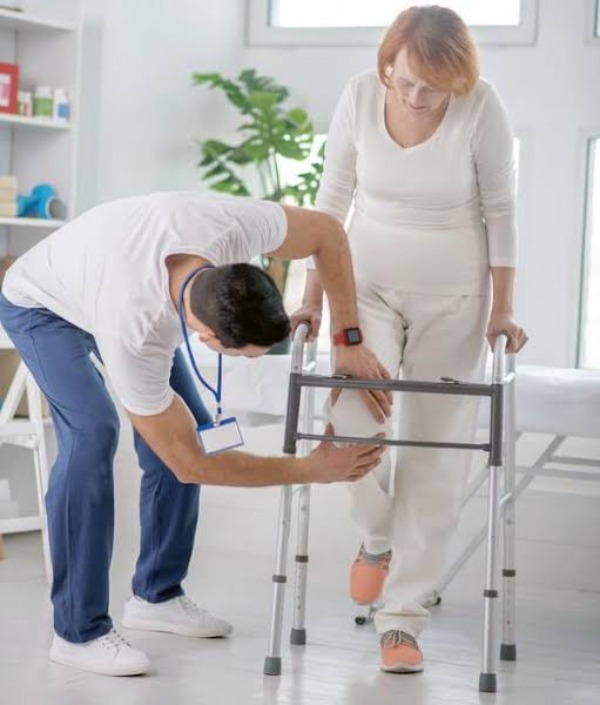
Physiotherapy After Surgery: What Recovery Really Looks Like
Surgery may correct the underlying problem, but recovery does not end when the operation is over. Many patients still experience pain, swelling, stiffness, weakness, difficulty walking, fear of movement, or uncertainty about what they can safely do next.
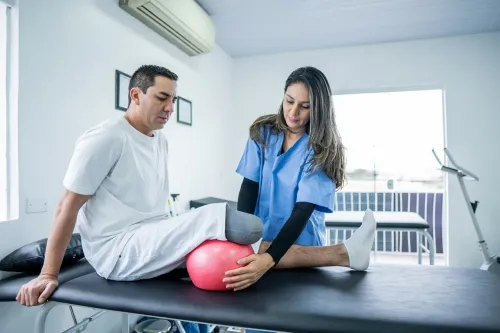
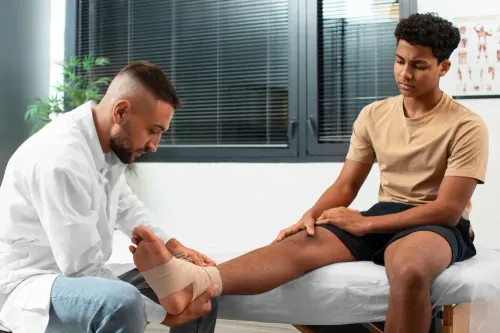
Physiotherapy after surgery helps turn medical recovery into functional recovery. The plan may focus on restoring movement, rebuilding strength, improving balance, practising daily activities, and gradually returning to work, exercise, or independent living. The programme must be based on the surgery performed, the surgeon’s precautions, the patient’s health, and the person’s actual goals.
At Physionyx Physiotherapy & Rehab in Green Park, South Delhi, post-operative rehabilitation is described as part of a personalised, assessment-led approach rather than a single routine for every patient.
Why Recovery Is Different for Everyone
Two people can undergo the same surgery and still have very different recovery experiences. Age, general fitness, pain levels, sleep, medical conditions, surgical precautions, nutrition, previous activity, and consistency with rehabilitation can all influence progress.
A physiotherapist may assess:
- Pain and swelling.
- Joint movement.
- Muscle strength.
- Walking pattern and balance.
- Transfers, such as moving from bed to chair.
- Ability to climb stairs.
- Confidence during movement.
- Work, household, or sporting requirements.
- Home risks that may affect safety.
The aim is not simply to make a patient move more. It is to help the patient move appropriately, safely, and progressively.
The Usual Recovery Journey
The early stage
In the early period, the priority is often protection, symptom management, and safe basic movement. Depending on the procedure, treatment may include comfortable positioning, breathing exercises, circulation movements, gentle range-of-motion work, bed mobility, transfers, and walking with an aid.
The exact exercises must follow the surgeon’s instructions. A patient should not assume that an exercise suitable after one operation is safe after another.
The rebuilding stage
As healing progresses, rehabilitation may focus more on restoring movement and strength. The patient may practise sit-to-stand movements, walking, stairs, balance, controlled loading, and functional tasks.
This is often the stage when patients notice that recovery is not always linear. A better day may be followed by tiredness or increased soreness after doing more. Progress should be judged by the overall pattern, not by one difficult day.
The return-to-function stage
Later rehabilitation is directed towards meaningful goals. These may include returning to work, walking outdoors, managing household activities, using public transport, returning to the gym, or resuming sport.
The final goal is not necessarily “zero symptoms immediately.” It may be improved strength, greater confidence, better movement control, and the ability to manage daily activities with less limitation.
Patient Story of Knee Surgery
From avoiding stairs to walking with confidence
Before surgery, patient had difficulty with Climbing the Stairs. After the procedure, the main challenges were pain, stiffness, use of walker.
During the first assessment, the physiotherapist reviewed reports and discussed the precautions provided by the orthopaedic surgeon. The initial programme focused on , such as safe transfers, comfortable knee movement, muscle activation, walking practice, and home guidance.
Over the following weeks, the rehabilitation plan progressed toc exercises and functional activities. The patient’s goals were not treated as an afterthought. They included walking to the market, climbing stairs, returning to work, caring for family.
At the latest documented review, patient reported improvement in walking properly, climbing the stairs and many other physical activities . The patient still needed to continue ongoing exercise and precautions.
What this story should teach
A knee-surgery recovery story should show the process, not promise a fixed result. It should explain that physiotherapy may involve repeated practice, gradual strengthening, home exercises, and regular reassessment.
Do not write that every patient will walk normally by a particular date. Recovery depends on the operation, the person’s condition, surgeon instructions, and rehabilitation progress.
What Physiotherapy May Include
Depending on the operation and assessment, post-operative rehabilitation may include:
- Education about precautions and activity.
- Pain and swelling management.
- Breathing and circulation exercises.
- Gentle mobility exercises.
- Muscle activation.
- Progressive strengthening.
- Walking and gait retraining.
- Balance and coordination practice.
- Transfer and stair training.
- Posture and movement education.
- Home-exercise planning.
- Functional training for work and daily activities.
- Gradual return to sport or exercise.
Not every patient needs every treatment. Modalities or hands-on techniques should be selected after assessment and should not replace active rehabilitation when strengthening and functional retraining are required. The Physionyx material similarly describes post-operative care as individualised and combined with exercise, movement guidance, and functional rehabilitation.
How Patients Can Support Recovery
Patients can often support their rehabilitation by:
- Following the surgeon’s precautions.
- Completing the prescribed home programme.
- Reporting unusual or worsening symptoms.
- Balancing activity with rest.
- Avoiding sudden increases in walking, lifting, or exercise.
- Using walking aids as instructed.
- Keeping follow-up appointments.
- Asking when an activity is safe instead of guessing.
- Maintaining appropriate nutrition and hydration as advised by the medical team.
- Making the home environment safer.
A patient should not compare their recovery with another person’s. Even when two people have similar operations, their rehabilitation needs may be different.
When to Contact the Medical Team
Seek prompt medical advice for symptoms such as:
- Rapidly increasing swelling.
- Severe or worsening pain.
- Fever or wound concerns.
- New numbness or weakness.
- A cold, pale, or unusually discoloured limb.
- Calf swelling or significant calf pain.
- Sudden chest pain or breathlessness.
- Loss of function that is new or rapidly worsening.
These symptoms should not be treated as routine post-operative soreness. In an emergency, seek immediate medical care.
Frequently Asked Questions
When should physiotherapy begin after surgery?
The timing depends on the procedure, healing status, surgeon’s instructions, and the patient’s medical condition. Some rehabilitation begins in hospital, while other programmes start after discharge or after a follow-up review.
Is pain during physiotherapy normal?
Some exercises may produce mild, temporary discomfort, but sharp, severe, or progressively worsening pain should be reported. The therapist may need to modify the exercise or coordinate with the medical team.
How many sessions will be needed?
There is no safe universal number. The required duration depends on the surgery, pre-operative condition, complications, goals, progress, and participation in the home programme.
Can home physiotherapy be useful after surgery?
Home physiotherapy may be useful when travelling is difficult, the patient is weak, or the home environment itself must be assessed. The suitability of home treatment depends on the patient’s needs and safety.
Can I exercise without clearance?
Do not begin new exercises, heavy lifting, high-impact activity, or sport-specific training without guidance appropriate to your surgery. Follow the surgeon’s restrictions and your physiotherapist’s plan.
What if progress feels slow?
Discuss the concern with the treating team. Slow progress may reflect normal healing, excessive activity, pain, weakness, sleep problems, medical factors, or a need to modify the rehabilitation plan.
Why Choose Physionyx?
At Physionyx Physiotherapy & Rehab, Dr. Niraj Kumar can assess the affected joint and develop a rehabilitation plan based on your symptoms, movement limitations, injury stage, and functional goals.
If you are looking for Knee injury physiotherapy in New Delhi, sports injury rehabilitation near me, or a physiotherapist in South Delhi, treatment may combine manual therapy, therapeutic exercise, strengthening, balance training, and gradual return-to-activity guidance.
Book an Appointment With Us Visit www.physionyx.in
Keywords